Bathtub Supply Guide 2025: How to Source Quality Tubs for Hotels, Villas, and Residential Projects

Global demand for bathtubs continues to rise in 2025 as hotels, villas, luxury apartments, and large-scale residential developments invest more heavily in premium bathroom experiences. Modern hospitality design prioritises relaxation and wellness elements, and residential buyers increasingly expect higher-quality bathroom fixtures that enhance comfort and elevate interior aesthetics. As a result, procurement teams, developers, wholesalers, and retailers are sourcing bathtubs in larger volumes than ever before.

However, sourcing bathtubs at scale presents several challenges. Many buyers encounter inconsistent product quality, unclear material specifications, long lead times, and variation between batches. Damage during shipping is also a common concern—especially for porcelain, cast iron, and stone tubs—making packaging standards and supplier experience essential. Additionally, the global market is filled with suppliers of mixed capability, making it difficult for buyers to distinguish reliable manufacturers from trading intermediaries.

This guide provides a complete overview of how to source high-quality bathtubs in 2025. It covers essential topics such as material selection, supplier evaluation, quality control processes, OEM/ODM customisation, and the differences in sourcing across China, Southeast Asia, Europe, and the US. You’ll learn what impacts cost, how to assess factory capability, and how to avoid common procurement risks. Finally, we explain why China remains the world’s most competitive manufacturing base—and how Sunvin supports global buyers with reliable production, strong QC, and export-ready logistics.
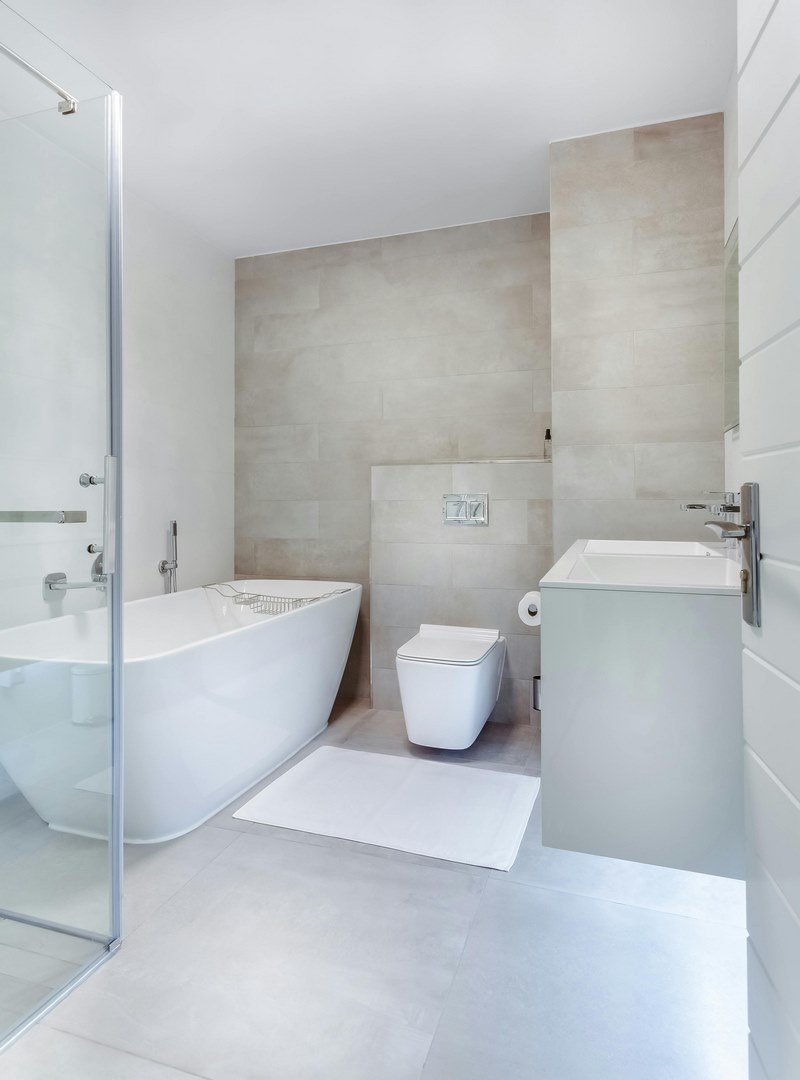
Types of Bathtubs Commonly Supplied for Large Projects

When sourcing bathtubs for hotels, villas, apartments, and retail distribution, material selection plays a critical role in determining durability, aesthetics, installation difficulty, cost, and long-term value. Below is a breakdown of the most common bathtub materials used in large-scale procurement, along with their advantages, limitations, and ideal applications.

Acrylic Bathtubs

Acrylic is one of the most widely used materials for modern bathtub supply due to its balance of affordability, design flexibility, and installation convenience. Manufactured using vacuum-formed acrylic sheets reinforced with fiberglass, these tubs are lightweight, easy to transport, and available in a broad range of shapes—from classic freestanding tubs to alcove and drop-in designs.

Pros

  • Lightweight, ideal for upper floors or fast installations
  • Cost-effective for large-volume projects
  • Warm to the touch with good heat retention
  • Available in many shapes, sizes, and lifestyles
  • Repairable surface in case of scratches

Cons

  • Less durable than porcelain or cast iron
  • May scratch or fade over long-term use if poor-quality acrylic is used

Best Use Cases
Apartments, mid-range hotels, wholesale programs, and residential developments with tight budgets but high unit requirements.

Porcelain / Ceramic Bathtubs

Porcelain bathtubs are made from a ceramic or steel base coated with a durable, high-gloss porcelain enamel. They offer a premium finish, excellent hardness, and a clean, timeless appearance that appeals to high-end buyers.

Pros

  • Luxurious aesthetic with a high-gloss surface
  • Highly resistant to stains, chemicals, and scratches
  • Excellent long-term durability
  • Ideal for design-focused and premium projects

Cons

  • Heavier than acrylic and fiberglass
  • More expensive to manufacture and ship
  • Can chip if struck with heavy objects

Best Use Cases
Luxury villas, boutique hotels, upscale apartments, and premium retail collections.

Solid Surface / Stone Resin Bathtubs

Solid surface—also known as stone resin—is a composite of natural minerals and resin cast into moulds. The result is a smooth, seamless bathtub with exceptional modern appeal and excellent thermal properties.

Pros

  • Premium matte or satin finish with sculptural aesthetics
  • Strong, durable, and resistant to wear
  • Exceptional heat retention for long soaking
  • Wide range of custom shapes possible

Cons

  • Heavier than acrylic
  • Higher cost due to dense material
  • Requires careful handling during installation

Best Use Cases
5-star hotels, high-end villas, spa-style bathrooms, developer luxury collections.

Fiberglass Bathtubs

Fiberglass tubs are an affordable option used widely in entry-level residential projects. They are lightweight and easy to install, although not as durable as acrylic or porcelain.

Pros

  • Lowest cost option for suppliers
  • Lightweight and easy to install
  • Suitable for large-scale, budget-driven projects

Cons

  • Prone to scratches, fading, and cracking over time
  • Shorter lifespan
  • Not suitable for luxury projects

Best Use Cases
Mass housing, low-budget apartment developments, and rental property projects.

Cast Iron Bathtubs

Cast iron tubs are made by pouring molten iron into a mould and coating it with a thick porcelain enamel. They are exceptionally durable and considered a long-term investment.

Pros

  • Extremely durable and long-lasting
  • Superb heat retention
  • Premium feel with high-quality enamel finish
  • Ideal for heritage or classic interior themes

Cons

  • Very heavy; may require structural reinforcement
  • Higher cost and shipping weight
  • Limited modern shapes compared to acrylic or solid surface

Best Use Cases
Luxury heritage hotels, villa renovations, designer show homes, premium retail offerings.

Natural & Engineered Stone Bathtubs

Stone bathtubs—carved from marble, travertine, basalt, or engineered stone—offer unmatched luxury appeal. These pieces are often statement features in premium projects.

Pros

  • High-end, unique aesthetic
  • Exceptional durability
  • High heat retention and soaking comfort

Cons

  • Extremely heavy
  • Higher cost and longer production time
  • Requires experienced installers

Best Use Cases
Luxury villas, penthouses, boutique resorts, spa suites, and ultra-premium design projects.

Choosing the Right Material for Each Project Type

Hotels

  • Mid-range hotels: acrylic or porcelain
  • Luxury hotels: solid surface or porcelain
  • Boutique hotels: natural or engineered stone

Villas / High-End Homes

  • Porcelain, solid surface, or marble depending on design theme

Apartments / Multi-Unit Residential

  • Acrylic or fiberglass for cost efficiency and easier installation

Retail Distributors / Wholesalers

  • Mixed material portfolio to cover different price tiers

Developers

  • Acrylic for cost-controlled projects
  • Solid surface or porcelain for premium developments

Key Factors Buyers Must Evaluate When Choosing a Bathtub Supplier

Selecting the right bathtub supplier directly affects project timelines, installation success, long-term maintenance claims, and overall customer satisfaction. Whether you are sourcing for hotels, villas, multi-building developments, or retail distribution, the following factors determine whether a supplier can reliably deliver consistent quality at scale.
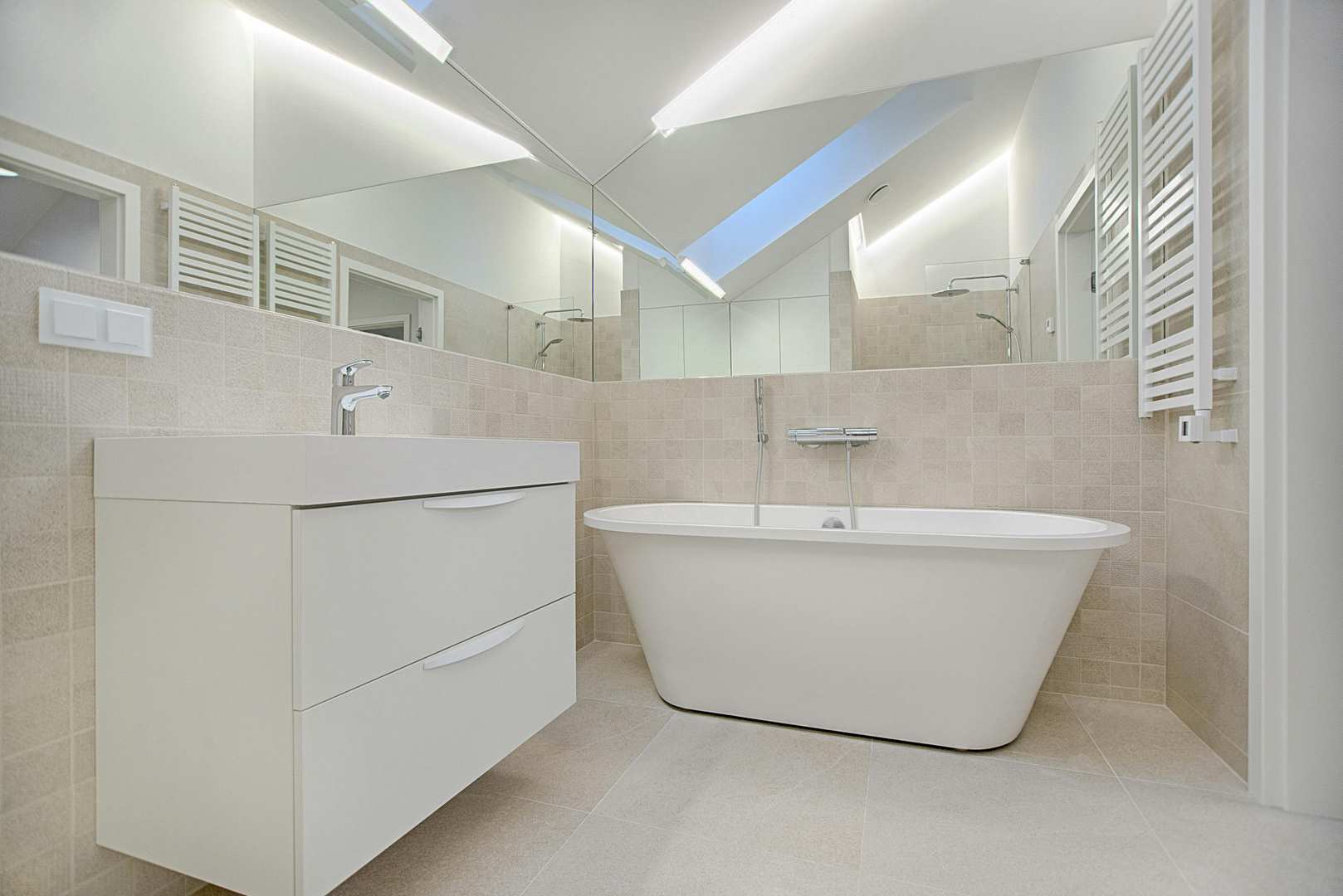
Production Capacity and Lead Times

A supplier’s manufacturing capacity determines whether they can support large or time-sensitive projects such as hotel rollouts, multi-phase developments, or wholesale replenishment orders.

What buyers should evaluate:

  • Monthly production output (e.g., acrylic tubs per month, porcelain firing capacity)
  • Number of moulds available for different designs
  • Typical lead times for standard vs. custom models
  • Ability to scale production for urgent or multi-container orders
  • Whether the factory runs automated processes (CNC cutting, automated polishing, glazing lines)

Why it matters
Delays in bathtub production can stall entire bathroom installation schedules, affecting handover deadlines and causing cost overruns across labour, plumbing, and finishing contractors.

Material Quality and Raw Material Sources

The material used determines durability, appearance, and long-term performance. High-quality suppliers openly share raw material origins and technical specifications.

Key quality indicators:

  • Acrylic sheet thickness (3.0–4.0 mm preferred for premium tubs)
  • Solid surface/stone resin density (higher mineral ratio = better durability and heat retention)
  • Porcelain glaze hardness (uniform glaze layer; tested for scratch resistance and thickness)
  • Fiberglass reinforcement layers (multiple layers increase strength and prevent deformation)
  • Metal frame and base reinforcement for stability

Poor material sourcing typically leads to issues such as yellowing acrylic, cracking, inconsistent surface gloss, or premature wear.

QC Systems and Certifications

Reliable suppliers follow structured quality control processes throughout production, not just at final inspection. Buyers should verify the presence of recognised international certifications:

Important certifications include:

  • CE — safety compliance for EU markets
  • cUPC — required for North America plumbing compliance
  • ISO9001 — quality management system
  • WaterMark (Australia) — essential for Australian plumbing products

QC checks should cover:

  • Raw material inspection
  • Mould accuracy and uniformity
  • Surface gloss and finish
  • Glaze thickness for porcelain
  • Leak testing / load-bearing testing
  • Final inspection before packaging

Why it matters
Certifications prove that the supplier follows global standards and reduces the risk of returns, warranty claims, and customer complaints.

Mould Availability and Customisability

Moulds determine the bathtub’s shape, size, comfort level, and market positioning. Buyers seeking private-label collections or unique models must evaluate the supplier’s tooling capabilities.

What to check:

  • Number of existing moulds and design variety
  • Custom mould development cost (typically USD 3,000–15,000 depending on material)
  • Impact of mould investment on MOQ
  • Production timeline for new moulds (usually 25–40 days)
  • Ability to customise overflow placement, drain location, thickness, or finishes

Why it matters
A supplier with poor mould capabilities cannot support brand differentiation or meet architectural design requirements for large projects.

Packaging Standards for Export

Bathtubs — especially porcelain, solid surface, and stone — are at high risk of damage during sea freight. Many suppliers cut packaging costs, leading to breakage, claims, and delays.

Proper export packaging should include:

  • 360° foam protection
  • Double-wall or reinforced carton boxes
  • Waterproof lining
  • Palletised loading to prevent shifting
  • Wooden crate protection for fragile or heavy tubs
  • Vibration-resistant internal bracing

Why packaging matters
A single damaged shipment can delay bathroom installations across an entire building. Replacements may take 30–60 days to reproduce and ship, causing costly project setbacks.

Export Experience and Documentation

Experienced suppliers help prevent customs delays, incorrect declarations, and non-compliance issues.

Key export documents include:

  • Commercial Invoice
  • Packing List
  • HS Codes for correct duty classification
  • Certificate of Origin
  • Fumigation Certificates for wood packaging
  • Bill of Lading
  • Insurance documents (upon request)

Suppliers with global export experience understand country-specific requirements (e.g., Middle East, Australia, EU), reducing the risk of shipment rejection or unexpected duties.
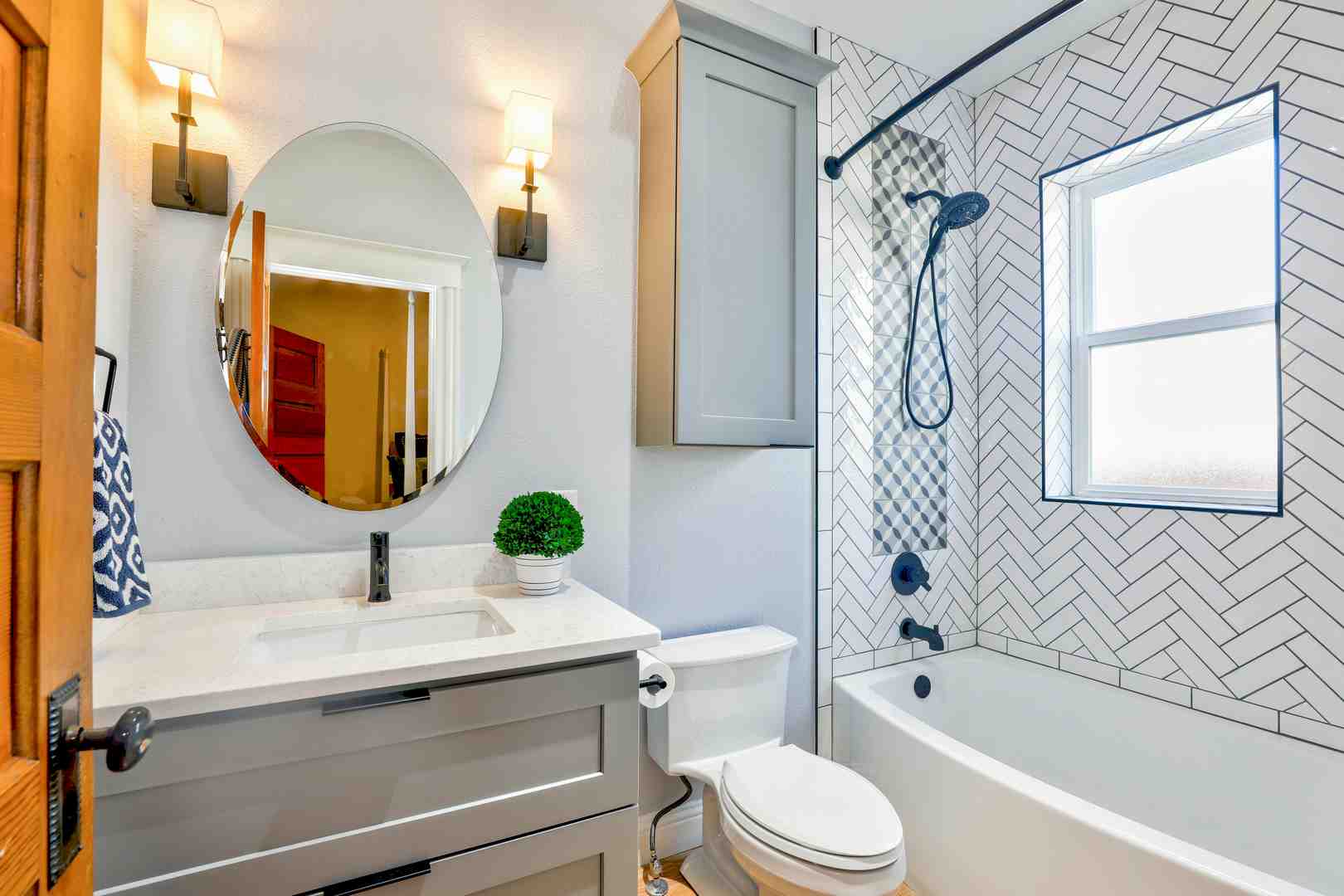
China vs Other Countries for Bathtub Supply: Cost, Quality, Lead Times & Material Options

Choosing where to source bathtubs dramatically impacts your project’s budget, installation schedule, and long-term product performance. China remains the global leader in bathtub manufacturing, but other countries also play niche roles. Here is a clear comparison across the factors that matter most: cost, quality, technology, materials, and supply reliability.

Cost Comparison

China consistently offers the lowest landed cost due to:

  • Large-scale production across acrylic, porcelain, solid surface, fiberglass, and cast iron bathtubs
  • Optimised raw material supply chains located near production hubs
  • Lower labour costs compared with EU and North America
  • High output efficiency, reducing per-unit mould and CNC overhead
  • Container optimisation expertise, reducing CBM waste

For large hotel or residential developments, China’s pricing advantage becomes significant—often 20–50% lower than suppliers in Europe, the U.S., or Japan.

Result: For wholesalers, retailers, and project-based buyers, China provides the most cost-efficient sourcing model without compromising quality.

Quality and Manufacturing Technology

China’s leading factories now use advanced production systems equal to or better than many Western suppliers, including:

  • Automated CNC milling for stone resin and acrylic tub shaping
  • Robotic polishing lines for consistent surface finish
  • High-temperature porcelain kilns (1200–1400°C) for durable glazing
  • Vacuum-forming machines for thick acrylic sheets
  • Automated fiberglass reinforcement for structural strength

This combination enables consistent large-volume production while maintaining precise tolerances and finish quality.

Result: Chinese manufacturers deliver stable quality across thousands of units—critical for hotels, apartments, and retail chains.

Lead Time Advantages

China’s factories are built for scale, allowing them to offer the world’s most efficient lead times:

  • Standard acrylic tubs: 15–28 days
  • Solid surface & stone resin: 25–35 days
  • Porcelain tubs: 25–40 days (depending on kiln cycles)
  • Custom OEM/ODM projects: 30–50 days including mould development

In comparison:

  • Europe & USA: 8–16 weeks due to small-batch production
  • Japan: controlled output, often long waiting lists
  • Southeast Asia: lower capacity and longer mould development cycles

Result: China is the preferred choice for time-sensitive hotel rollouts and multi-building developments.

Material Variety

China is the only country with full-scale production capabilities across every major bathtub material:

  • Acrylic
  • Porcelain / Ceramic
  • Solid Surface / Stone Resin
  • Fiberglass
  • Cast Iron
  • Natural Marble / Engineered Stone

This breadth of materials allows buyers to consolidate suppliers and standardise sourcing for multiple project tiers:

  • Mid-range hotels → acrylic
  • Luxury villas → stone resin / marble
  • Apartments → fiberglass / acrylic
  • Boutique hotels → porcelain

Result: No other country matches China’s diversity of bathtub materials, moulds, or design capability.

Supply Chain Reliability

China has the world’s most complete supply chain for sanitary ware, supported by:

  • Major export ports: Guangzhou, Shenzhen, Xiamen, Shanghai
  • Rapid access to raw materials (acrylic sheets, resins, clays, marble blocks, hardware)
  • Mature logistics and palletisation systems
  • Availability of third-party inspections (SGS, TÜV, Intertek)
  • High operational stability and predictable lead times

Factories are designed to support continuous production for global distributors, developers, and hotel groups.

Result: China provides the most reliable pipeline for repeat orders and long-term supply planning.

When Other Countries Make Sense

Although China leads globally, certain markets excel in niche categories:

Japan

  • Extremely strict quality control
  • Known for premium enamel-coated steel tubs
  • Higher price, lower output

Europe (Italy, Germany, Portugal)

  • Speciality cast iron and handcrafted stone bathtubs
  • Best for luxury, design-driven retail markets

USA

  • Domestic buyers save on shipping
  • Good option for fast replacement orders
  • Limited material variety compared to China

Result: These countries make sense for highly specialised or localised needs, but not for large-scale or price-sensitive projects.

How to Evaluate Bathtub Quality Before Ordering

Selecting a reliable supplier begins with understanding how to assess product quality across different bathtub materials. Whether you are sourcing for hotels, villas, residential developments, or retail distribution, the following criteria ensure you avoid costly defects, returns, and installation issues.

For Acrylic Bathtubs

Acrylic quality varies significantly between manufacturers. Always check:

  • Acrylic Sheet Thickness
    High-quality tubs use 3.0–5.0 mm sheets. Thin sheets (below 2.8 mm) feel flimsy, deform under pressure, and scratch more easily.
  • Reinforcement Layers
    Look for evenly applied fiberglass or resin backing, ideally with 3–5 layers. Poor reinforcement leads to cracking or flexing.
  • Surface Shine & Gloss Uniformity
    A premium acrylic tub has a mirror-like, even gloss finish with no cloudy patches, waves, or visible sanding marks.
  • Structural Stability
    Press the sidewalls and bottom—there should be minimal flex.

For Porcelain Bathtubs

Porcelain quality depends heavily on kiln technology and glazing expertise.

  • Glaze Thickness
    A uniform glaze layer prevents stains, scratches, and water absorption. Thin glaze leads to dull spots and weak protection.
  • Surface Hardness
    High-temperature firing (1200–1400°C) ensures excellent hardness, reducing long-term wear.
  • Finish Uniformity
    Inspect for:
    • no ripple marks
    • no pinholes
    • even gloss
    • consistent colour tone
  • Shape Accuracy
    Poor firing control can lead to slight warping—critical for built-in and alcove porcelain tubs.

For Solid Surface Bathtubs

Solid surface (stone resin) tubs must have consistent density and flawless finishing.

  • Material Density
    Higher-density blends feel heavier, more premium, and improve heat retention.
  • Surface Sanding and Finish Quality
    Matte finishes should feel smooth and silky, not rough or uneven.
    Gloss finishes should look polished and uniform with no dull edges.
  • Seamless Joint Integrity
    For multi-piece moulds, ensure joints are invisible and do not show lines or discolouration.
  • Scratch & Chemical Resistance
    Request testing results to confirm durability.

For Cast Iron or Stone Bathtubs

These high-end materials require strict evaluation.

  • Weight Consistency
    Deviations in weight may indicate thin iron walls or inconsistent stone carving.
  • Polishing Clarity
    Stone should have a deep, reflective polish without swirl marks.
    Cast iron enamel should be smooth and bubble-free.
  • Structural Soundness
    For stone: check for cracks, fissures, or weak veins.
    For cast iron: look for uniform enamel thickness and no exposed iron.
  • Precision Shaping
    Essential for freestanding tubs in luxury projects.

Requesting Samples or Virtual Factory Tours

To minimise the risk of large wholesale or project orders:

  • Request material samples (acrylic sheets, solid surface blocks, porcelain tiles, enamel samples).
  • Ask for a finished bathtub sample for long-term suppliers.
  • Conduct a virtual factory tour via Zoom/WeChat to observe:
    • mould room
    • reinforcement station
    • kiln operation
    • sanding & polishing lines
    • QC inspection procedures
    • packaging area
  • Request QC reports including:
    • glaze hardness tests
    • acrylic sheet specification
    • density testing
    • finishing checklists

This ensures transparency and helps buyers confirm the supplier’s true production capability before committing to mass orders.

OEM/ODM Bathtub Supply: Custom Options for Hotels and Developers

Large commercial projects—such as hotels, serviced apartments, villas, and multi-building residential developments—often require bathtubs that fit specific design, space, and branding requirements. OEM/ODM manufacturing allows buyers to customise every aspect of the bathtub while maintaining consistent quality and scalability.

Custom Size, Shape, and Design

OEM/ODM manufacturing enables developers and hospitality designers to tailor bathtubs to the exact needs of each project. Common customisable elements include:

  • Size adjustments to maximise bathroom space—shorter lengths for compact bathrooms, deeper profiles for luxury soaking experiences.
  • Shape variations including oval, rectangular, asymmetrical, slipper, double-ended, or compact space-saving tubs.
  • Installation format options, such as:
    • freestanding luxury tubs for hotel suites
    • alcove tubs for multi-unit apartments
    • drop-in tubs for villas with custom surrounds
    • wall-facing or corner designs for efficient planning

Custom mould development ensures brand-specific aesthetics, consistent production, and long-term supply stability for builders and developers.

Custom Colours and Finishes

Colour and surface finishing are key components of modern bathroom design. Through OEM/ODM services, buyers can select from:

  • Surface texture options: matte, high-gloss, satin, stone-feel, velvet-matte
  • Colour customisation: pure white, off-white, beige, grey, charcoal, black, or colour-matched tones for branded interiors
  • Special visual effects: speckled finishes, metallic accents, or stone-like patterns (for solid surface and stone resin materials)

These options allow designers to align the bathtub aesthetic with the overall interior design concept of the project.

Branding and Labeling

For retailers, hotel groups, and distributors, consistent branding is essential. OEM/ODM suppliers provide:

  • Private-label branding applied through discreet engraving or embossing
  • Laser-etched or mould-integrated logos for premium collections
  • Custom packaging with printed artwork, logo placement, and technical specifications
  • Barcode and compliance labeling for retail-ready distribution

Branding options help differentiate product lines and support large-scale marketing or retail strategies.

Custom Overflow, Drain, and Hardware Options

High-end projects often require hardware that matches the interior design palette. OEM/ODM services support:

  • Custom overflow placement and styling
  • Drain configurations: centre, side, left/right, or wall-facing
  • Hardware finishes: chrome, brushed nickel, matte black, gold, rose gold, gunmetal, or antique brass
  • Premium materials: solid brass or stainless steel components for long-term durability

These details elevate the bathing experience and ensure the bathtub integrates seamlessly into the designer’s overall vision.

Pricing Guide: What Affects Bathtub Supply Costs?

Understanding the cost structure behind bathtub supply is essential for wholesalers, developers, and hotel procurement teams planning large-volume purchases. Bathtub pricing varies significantly depending on material, manufacturing technique, packaging standard, and logistics strategy. Below is a detailed breakdown of the factors that directly influence the final landed cost.

Material Type

Different bathtub materials come with very different production costs. Material selection is often the largest cost driver.

  • Acrylic: Generally the most affordable. Lightweight, fast to produce, ideal for large apartment projects. Costs increase with thicker acrylic sheets or added fiberglass reinforcement.
  • Porcelain / Ceramic: Requires high-temperature kilns, precise glazing, and longer production cycles. More expensive than acrylic but highly durable and visually premium.
  • Solid Surface / Stone Resin: Premium material due to heavy density, casting method, and extensive polishing. Positioned between porcelain and natural stone in pricing.
  • Natural Stone: Highest cost category. Each piece is carved from real marble, granite, travertine, or onyx. Labour-intensive sculpting and expensive raw materials make this a luxury product category.

The choice of material dramatically shifts both the product cost and shipping cost (due to varying weights).

Manufacturing Method

How a bathtub is made influences both price and performance.

  • Hand-Laid Fiberglass Reinforcement: Enhances strength but increases labour cost. Common with mid-range acrylic tubs.
  • Vacuum-Forming (Acrylic): Faster, highly repeatable process with relatively lower labour cost. Ideal for mass production.
  • Solid-Surface Casting: Involves moulding liquid stone material into a solid form. Requires polishing and finishing—labour and time-intensive.
  • High-Temperature Kiln Firing (Porcelain/Ceramic): Increases energy cost, labour precision, and cycle times, resulting in higher pricing.

Premium methods such as multi-layer glazing or high-density solid-surface formulations command higher unit costs.

Mould Fees for Custom Designs

Custom OEM/ODM bathtubs often require dedicated moulds.
Mould fees typically apply when:

  • a project requires a unique shape, size, or design
  • branding needs a proprietary bathtub model
  • buyers want long-term exclusive production

These are one-time investments and become cost-effective for large volume projects (hotels, real estate developers, national distributors).

Packaging and Export Requirements

Packaging plays a critical role in ensuring bathtubs survive long-distance transport.

Common packaging types include:

  • Standard carton packaging for small-volume or lightweight acrylic tubs
  • Foam-reinforced packaging for mid-range tubs
  • Full wooden crates for porcelain, solid surface, and natural stone tubs
  • Custom anti-vibration protection for luxury stone bathtubs

Premium packaging increases upfront cost but prevents costly damage claims and delays.

Freight, CBM, and Container Loading Efficiency

Logistics often represent 20–40% of the total landed cost, especially for heavy materials.

  • CBM (cubic meter usage) directly affects shipping price.
  • Acrylic bathtubs offer high loading efficiency, lowering freight cost per unit.
  • Solid surface or porcelain tubs occupy more CBM and weigh more, increasing shipping cost.
  • Optimised stacking and bracing can save thousands per container, especially in wholesale orders.

Factories with strong export experience know how to reduce wasted space and improve container utilisation.

MOQ Strategies for Buyers

Minimum Order Quantity (MOQ) affects pricing for both production and shipping.

How buyers can reduce unit costs:

  • Combine multiple models in one container to meet MOQ without overstocking.
  • Standardise colours and finishes to avoid small-batch surcharges.
  • Commit to annual purchase plans for better negotiated pricing.
  • Higher volume = lower unit cost due to raw material savings and production efficiencies.

Wholesalers, distributors, and developers can significantly improve margins by leveraging MOQ-based pricing structures.

Avoiding Common Issues in Bathtub Supply

Buying bathtubs at scale—whether for hotels, villas, or residential developments—comes with risks. Understanding common problems and how to prevent them helps buyers eliminate costly delays, replacements, and inconsistencies.

Breakage During Shipment

Bathtubs, especially porcelain, solid surface, and stone models, are vulnerable to impact damage during long-distance shipping.
To minimise the risk:

  • Demand full wooden crate packaging with reinforced corner blocks.
  • Ensure suppliers use high-density foam, anti-vibration padding, and protective wrapping.
  • Confirm that each tub is individually packed rather than stacked unprotected.
  • Require container loading photos or videos before the shipment is sealed.

Proper packaging reduces breakage rates from the industry average of 3–8% to under 1%.

Inconsistent Quality Between Batches

Different production batches can vary in:

  • Colour tone
  • Gloss level
  • Thickness
  • Surface uniformity
  • Reinforcement quality

To avoid this:

  • Request pre-production samples and batch samples for confirmation.
  • Work only with manufacturers using documented QC processes at every stage: raw materials, moulding, reinforcement, polishing, glazing, and final inspection.
  • Ask for QC reports with photos and measurements before shipping.

Consistency is essential for hotel rollouts and multi-building projects.

Delays Due to Poor Communication

Many project delays originate from:

  • Slow supplier responses
  • Incomplete documentation
  • Misunderstood specifications
  • No updates during production

A reliable supplier should provide:

  • Fast, clear communication (within 12–24 hours)
  • A dedicated export team
  • Regular production progress updates
  • Advance notice of any timeline changes

Responsiveness is one of the strongest indicators of long-term reliability.

Incorrect Specifications

Incorrect dimensions, drain positions, or overflow configurations can disrupt on-site installation.

Prevention steps:

  • Request full technical drawings and confirm all measurements with contractors.
  • Order engineering diagrams for custom or hotel-grade bathtubs.
  • Double-check:
    • Length, width, depth
    • Drain & overflow placement
    • Wall thickness
    • Reinforcement structure

For large projects, conduct on-site prototype installation before mass production.

Using Third-Party Inspection Companies

Independent inspection reduces risk, especially for large orders or new suppliers.

Recommended agencies:

  • SGS
  • TÜV Rheinland
  • Intertek

Buyers may request:

  • Pre-production inspection (PPI)
  • During-production inspection (DPI)
  • Final random inspection (FRI)

These services verify material quality, surface finish, dimensions, packaging integrity, and order accuracy before shipping.
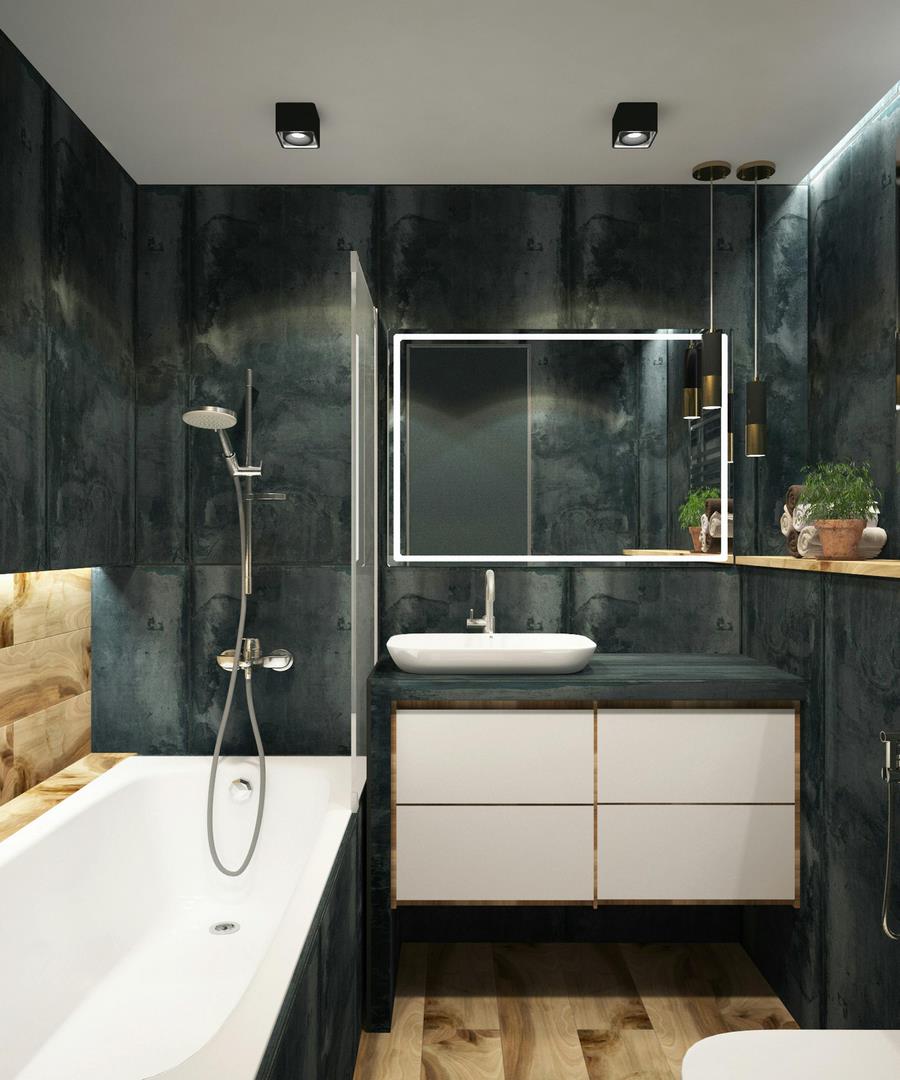
Why Global Buyers Choose Sunvin for Bathtub Supply

Sunvin is a trusted supplier for hotels, villas, developers, and wholesale distributors thanks to its broad capabilities, reliable manufacturing standards, and export-focused expertise.

Wide Range Across Acrylic, Porcelain, Solid Surface, and Stone

Sunvin provides one of the most comprehensive bathtub collections in the market, including:

  • Acrylic tubs for cost-efficient large developments
  • Porcelain and ceramic tubs for premium residential and boutique hotels
  • Solid surface stone resin tubs for contemporary 5-star projects
  • Natural stone tubs for luxury villas and designer spaces

This gives buyers the flexibility to match product selection with project budget, aesthetic, and target demographic.

Strong OEM/ODM Engineering Capability

For brands and hospitality projects requiring exclusivity, Sunvin offers:

  • Custom mould development
  • Shape and size customisation
  • Bespoke finishes (matte, gloss, stone texture, colour options)
  • Branding elements such as engraved logos or private-label packaging

OEM/ODM services help distributors and hotel chains differentiate their product offerings.

Professional Quality Control System

Sunvin implements multi-stage QC across every production line:

  • Raw material verification
  • Mould accuracy check
  • Reinforcement strength testing
  • Surface gloss, sanding, and polishing inspection
  • Dimensional measurement
  • Water retention & structural stability checks
  • Final inspection before packaging

Quality documentation and inspection photos are provided for full transparency.

Export-Ready Packaging and Logistics Support

To prevent breakage and delays, Sunvin uses:

  • Reinforced wooden crates
  • High-density inner foam
  • Edge protectors and anti-vibration layers
  • Moisture-resistant wrapping
  • Safe loading patterns for container optimisation

Sunvin’s logistics team prepares all export documents, ensuring a smooth and compliant shipment.

Experience Supplying 60+ Countries

Sunvin has long-term partnerships with:

  • 5-star hotels
  • Luxury villa developers
  • Apartment builders
  • Global wholesalers and distributors

This international experience ensures that product quality, communication, compliance, and documentation meet the expectations of global buyers.

Conclusion

Key takeaways on sourcing bathtubs in 2025:
Buyers must carefully evaluate materials, supplier capabilities, QC systems, and packaging standards to avoid delays, breakage, and inconsistent quality.

Why supplier evaluation is critical:
Bathtubs are high-value, high-volume items that require dependable manufacturing and reliable communication throughout the project lifecycle.

China as the most reliable base for large-scale procurement:
With unmatched cost efficiency, material variety, manufacturing technology, and export experience, China remains the strongest global sourcing hub.

Sunvin as a trusted export partner:
Offering full material coverage, strict QC, OEM/ODM support, and safe international shipping, Sunvin is a proven supplier for large-scale hotel, villa, and residential projects.

Partner with Sunvin for reliable, high-quality bathtub supply for hotels, villas, residential developments, and wholesale distribution.Request catalogues, samples, or a customised quotation today.

Leave a Reply

Your email address will not be published. Required fields are marked *

linkedin facebook pinterest youtube rss twitter instagram facebook-blank rss-blank linkedin-blank pinterest youtube twitter instagram