Global demand for bathtubs continues to rise in 2026 as hotels, villas, luxury apartments, and large-scale residential developments invest more heavily in premium bathroom experiences. Modern hospitality design prioritises relaxation and wellness elements, and residential buyers increasingly expect higher-quality bathroom fixtures that enhance comfort and elevate interior aesthetics. As a result, procurement teams, developers, wholesalers, and retailers are sourcing bathtubs in larger volumes than ever before.
However, sourcing bathtubs at scale presents several challenges. Many buyers encounter inconsistent product quality, unclear material specifications, long lead times, and variation between batches. Damage during shipping is also a common concern—especially for porcelain, cast iron, and stone tubs—making packaging standards and supplier experience essential. Additionally, the global market is filled with suppliers of mixed capability, making it difficult for buyers to distinguish reliable manufacturers from trading intermediaries.
This guide provides a complete overview of how to source high-quality bathtubs in 2026. It covers essential topics such as material selection, supplier evaluation, quality control processes, OEM/ODM customisation, and the differences in sourcing across China, Southeast Asia, Europe, and the US. You’ll learn what impacts cost, how to assess factory capability, and how to avoid common procurement risks. Finally, we explain why China remains the world’s most competitive manufacturing base—and how Sunvin supports global buyers with reliable production, strong QC, and export-ready logistics.
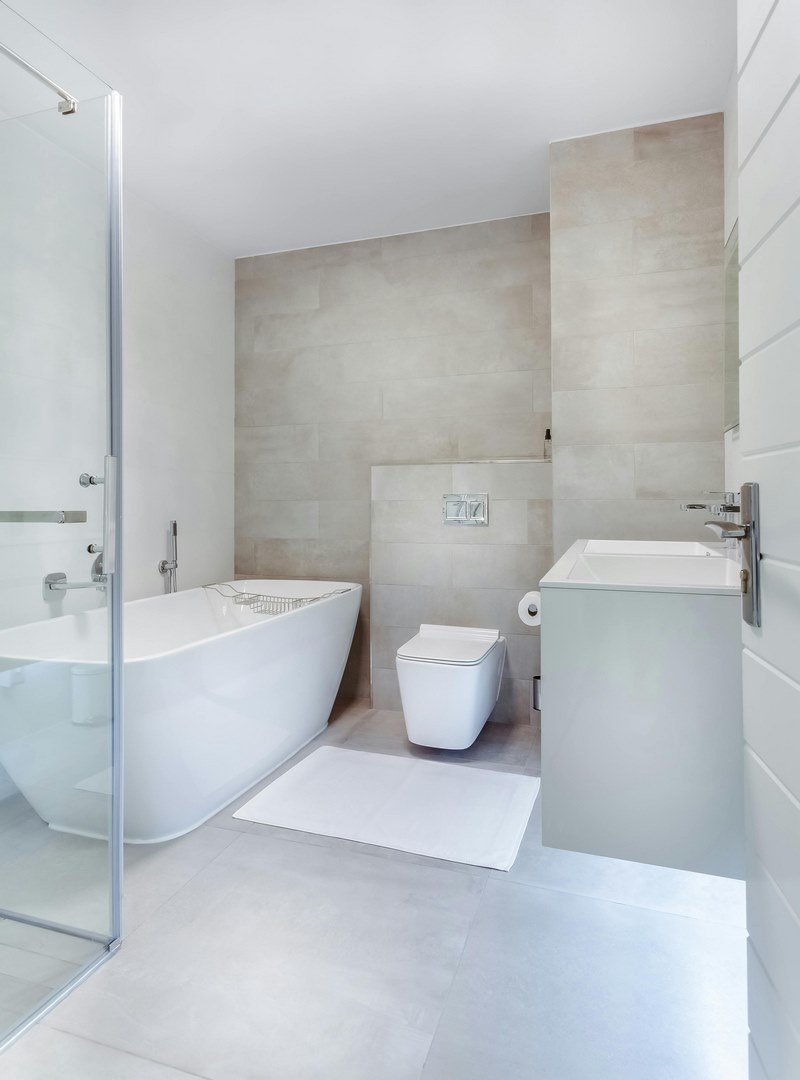
When sourcing bathtubs for hotels, villas, apartments, and retail distribution, material selection plays a critical role in determining durability, aesthetics, installation difficulty, cost, and long-term value. Below is a breakdown of the most common bathtub materials used in large-scale procurement, along with their advantages, limitations, and ideal applications.
Acrylic is one of the most widely used materials for modern bathtub supply due to its balance of affordability, design flexibility, and installation convenience. Manufactured using vacuum-formed acrylic sheets reinforced with fiberglass, these tubs are lightweight, easy to transport, and available in a broad range of shapes—from classic freestanding tubs to alcove and drop-in designs.
Pros
Cons
Best Use Cases
Apartments, mid-range hotels, wholesale programs, and residential developments with tight budgets but high unit requirements.
Porcelain bathtubs are made from a ceramic or steel base coated with a durable, high-gloss porcelain enamel. They offer a premium finish, excellent hardness, and a clean, timeless appearance that appeals to high-end buyers.
Pros
Cons
Best Use Cases
Luxury villas, boutique hotels, upscale apartments, and premium retail collections.
Solid surface—also known as stone resin—is a composite of natural minerals and resin cast into moulds. The result is a smooth, seamless bathtub with exceptional modern appeal and excellent thermal properties.
Pros
Cons
Best Use Cases
5-star hotels, high-end villas, spa-style bathrooms, developer luxury collections.
Fiberglass tubs are an affordable option used widely in entry-level residential projects. They are lightweight and easy to install, although not as durable as acrylic or porcelain.
Pros
Cons
Best Use Cases
Mass housing, low-budget apartment developments, and rental property projects.
Cast iron tubs are made by pouring molten iron into a mould and coating it with a thick porcelain enamel. They are exceptionally durable and considered a long-term investment.
Pros
Cons
Best Use Cases
Luxury heritage hotels, villa renovations, designer show homes, premium retail offerings.
Stone bathtubs—carved from marble, travertine, basalt, or engineered stone—offer unmatched luxury appeal. These pieces are often statement features in premium projects.
Pros
Cons
Best Use Cases
Luxury villas, penthouses, boutique resorts, spa suites, and ultra-premium design projects.
Hotels
Villas / High-End Homes
Apartments / Multi-Unit Residential
Retail Distributors / Wholesalers
Developers
Selecting the right bathtub supplier directly affects project timelines, installation success, long-term maintenance claims, and overall customer satisfaction. Whether you are sourcing for hotels, villas, multi-building developments, or retail distribution, the following factors determine whether a supplier can reliably deliver consistent quality at scale.
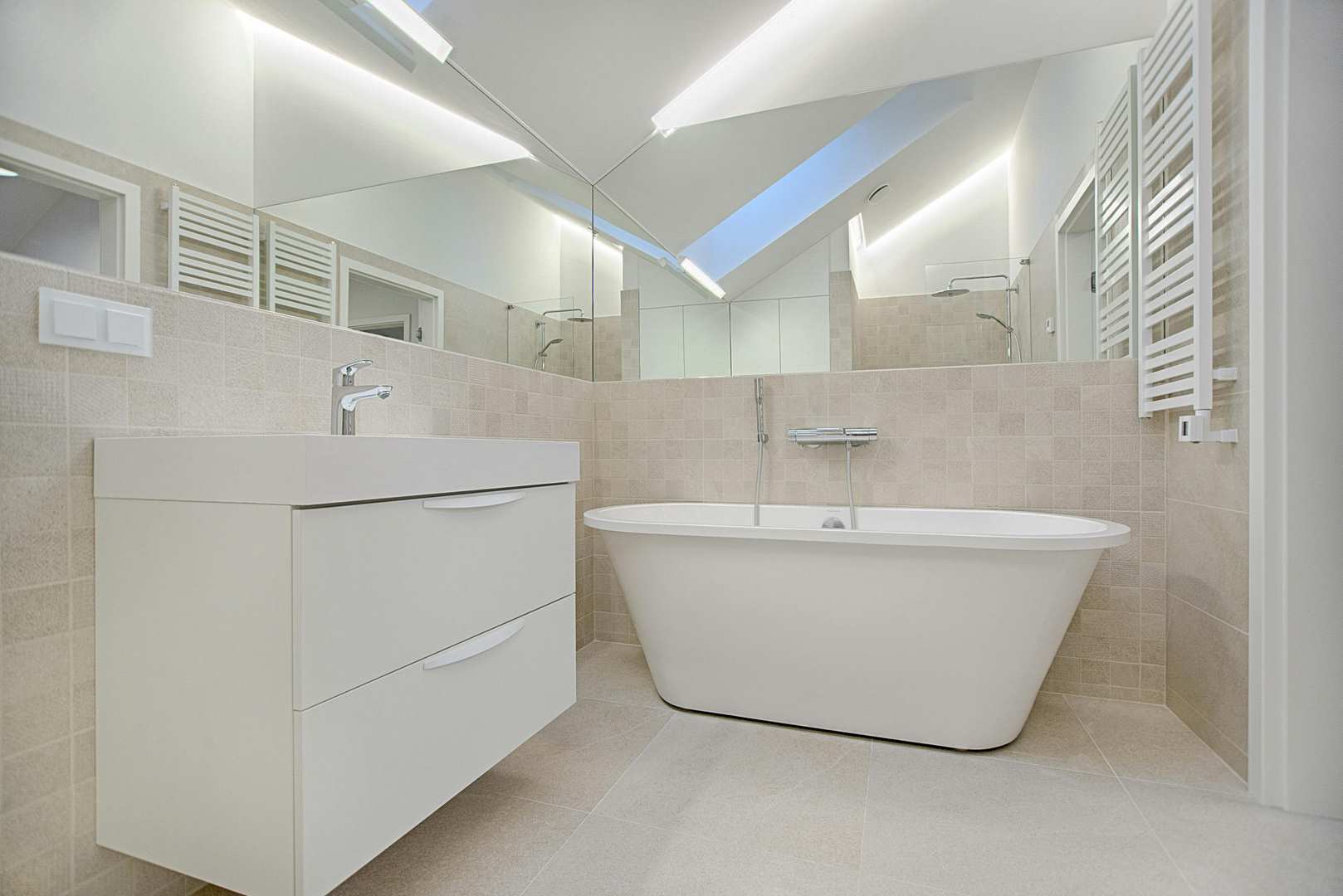
A supplier’s manufacturing capacity determines whether they can support large or time-sensitive projects such as hotel rollouts, multi-phase developments, or wholesale replenishment orders.
What buyers should evaluate:
Why it matters
Delays in bathtub production can stall entire bathroom installation schedules, affecting handover deadlines and causing cost overruns across labour, plumbing, and finishing contractors.
The material used determines durability, appearance, and long-term performance. High-quality suppliers openly share raw material origins and technical specifications.
Key quality indicators:
Poor material sourcing typically leads to issues such as yellowing acrylic, cracking, inconsistent surface gloss, or premature wear.
Reliable suppliers follow structured quality control processes throughout production, not just at final inspection. Buyers should verify the presence of recognised international certifications:
Important certifications include:
QC checks should cover:
Why it matters
Certifications prove that the supplier follows global standards and reduces the risk of returns, warranty claims, and customer complaints.
Moulds determine the bathtub’s shape, size, comfort level, and market positioning. Buyers seeking private-label collections or unique models must evaluate the supplier’s tooling capabilities.
What to check:
Why it matters
A supplier with poor mould capabilities cannot support brand differentiation or meet architectural design requirements for large projects.
Bathtubs — especially porcelain, solid surface, and stone — are at high risk of damage during sea freight. Many suppliers cut packaging costs, leading to breakage, claims, and delays.
Proper export packaging should include:
Why packaging matters
A single damaged shipment can delay bathroom installations across an entire building. Replacements may take 30–60 days to reproduce and ship, causing costly project setbacks.
Experienced suppliers help prevent customs delays, incorrect declarations, and non-compliance issues.
Key export documents include:
Suppliers with global export experience understand country-specific requirements (e.g., Middle East, Australia, EU), reducing the risk of shipment rejection or unexpected duties.

Choosing where to source bathtubs dramatically impacts your project’s budget, installation schedule, and long-term product performance. China remains the global leader in bathtub manufacturing, but other countries also play niche roles. Here is a clear comparison across the factors that matter most: cost, quality, technology, materials, and supply reliability.
China consistently offers the lowest landed cost due to:
For large hotel or residential developments, China’s pricing advantage becomes significant—often 20–50% lower than suppliers in Europe, the U.S., or Japan.
Result: For wholesalers, retailers, and project-based buyers, China provides the most cost-efficient sourcing model without compromising quality.
China’s leading factories now use advanced production systems equal to or better than many Western suppliers, including:
This combination enables consistent large-volume production while maintaining precise tolerances and finish quality.
Result: Chinese manufacturers deliver stable quality across thousands of units—critical for hotels, apartments, and retail chains.
China’s factories are built for scale, allowing them to offer the world’s most efficient lead times:
In comparison:
Result: China is the preferred choice for time-sensitive hotel rollouts and multi-building developments.
China is the only country with full-scale production capabilities across every major bathtub material:
This breadth of materials allows buyers to consolidate suppliers and standardise sourcing for multiple project tiers:
Result: No other country matches China’s diversity of bathtub materials, moulds, or design capability.
China has the world’s most complete supply chain for sanitary ware, supported by:
Factories are designed to support continuous production for global distributors, developers, and hotel groups.
Result: China provides the most reliable pipeline for repeat orders and long-term supply planning.
Although China leads globally, certain markets excel in niche categories:
Japan
Europe (Italy, Germany, Portugal)
USA
Result: These countries make sense for highly specialised or localised needs, but not for large-scale or price-sensitive projects.
Selecting a reliable supplier begins with understanding how to assess product quality across different bathtub materials. Whether you are sourcing for hotels, villas, residential developments, or retail distribution, the following criteria ensure you avoid costly defects, returns, and installation issues.
Acrylic quality varies significantly between manufacturers. Always check:
Porcelain quality depends heavily on kiln technology and glazing expertise.
Solid surface (stone resin) tubs must have consistent density and flawless finishing.
These high-end materials require strict evaluation.
To minimise the risk of large wholesale or project orders:
This ensures transparency and helps buyers confirm the supplier’s true production capability before committing to mass orders.
Large commercial projects—such as hotels, serviced apartments, villas, and multi-building residential developments—often require bathtubs that fit specific design, space, and branding requirements. OEM/ODM manufacturing allows buyers to customise every aspect of the bathtub while maintaining consistent quality and scalability.
OEM/ODM manufacturing enables developers and hospitality designers to tailor bathtubs to the exact needs of each project. Common customisable elements include:
Custom mould development ensures brand-specific aesthetics, consistent production, and long-term supply stability for builders and developers.
Colour and surface finishing are key components of modern bathroom design. Through OEM/ODM services, buyers can select from:
These options allow designers to align the bathtub aesthetic with the overall interior design concept of the project.
For retailers, hotel groups, and distributors, consistent branding is essential. OEM/ODM suppliers provide:
Branding options help differentiate product lines and support large-scale marketing or retail strategies.
High-end projects often require hardware that matches the interior design palette. OEM/ODM services support:
These details elevate the bathing experience and ensure the bathtub integrates seamlessly into the designer’s overall vision.
Understanding the cost structure behind bathtub supply is essential for wholesalers, developers, and hotel procurement teams planning large-volume purchases. Bathtub pricing varies significantly depending on material, manufacturing technique, packaging standard, and logistics strategy. Below is a detailed breakdown of the factors that directly influence the final landed cost.
Different bathtub materials come with very different production costs. Material selection is often the largest cost driver.
The choice of material dramatically shifts both the product cost and shipping cost (due to varying weights).
How a bathtub is made influences both price and performance.
Premium methods such as multi-layer glazing or high-density solid-surface formulations command higher unit costs.
Custom OEM/ODM bathtubs often require dedicated moulds.
Mould fees typically apply when:
These are one-time investments and become cost-effective for large volume projects (hotels, real estate developers, national distributors).
Packaging plays a critical role in ensuring bathtubs survive long-distance transport.
Common packaging types include:
Premium packaging increases upfront cost but prevents costly damage claims and delays.
Logistics often represent 20–40% of the total landed cost, especially for heavy materials.
Factories with strong export experience know how to reduce wasted space and improve container utilisation.
Minimum Order Quantity (MOQ) affects pricing for both production and shipping.
How buyers can reduce unit costs:
Wholesalers, distributors, and developers can significantly improve margins by leveraging MOQ-based pricing structures.
Buying bathtubs at scale—whether for hotels, villas, or residential developments—comes with risks. Understanding common problems and how to prevent them helps buyers eliminate costly delays, replacements, and inconsistencies.
Bathtubs, especially porcelain, solid surface, and stone models, are vulnerable to impact damage during long-distance shipping.
To minimise the risk:
Proper packaging reduces breakage rates from the industry average of 3–8% to under 1%.
Different production batches can vary in:
To avoid this:
Consistency is essential for hotel rollouts and multi-building projects.
Many project delays originate from:
A reliable supplier should provide:
Responsiveness is one of the strongest indicators of long-term reliability.
Incorrect dimensions, drain positions, or overflow configurations can disrupt on-site installation.
Prevention steps:
For large projects, conduct on-site prototype installation before mass production.
Independent inspection reduces risk, especially for large orders or new suppliers.
Recommended agencies:
Buyers may request:
These services verify material quality, surface finish, dimensions, packaging integrity, and order accuracy before shipping.
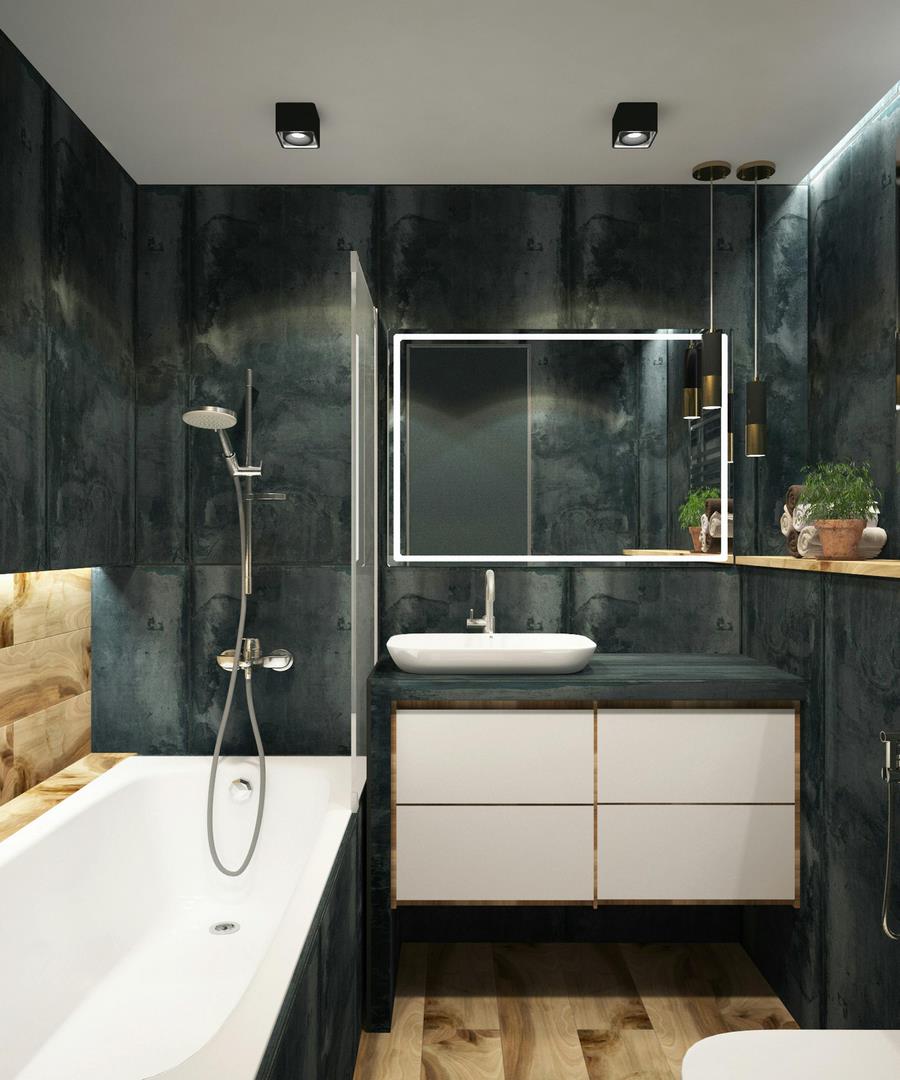
Sunvin is a trusted supplier for hotels, villas, developers, and wholesale distributors thanks to its broad capabilities, reliable manufacturing standards, and export-focused expertise.
Sunvin provides one of the most comprehensive bathtub collections in the market, including:
This gives buyers the flexibility to match product selection with project budget, aesthetic, and target demographic.
For brands and hospitality projects requiring exclusivity, Sunvin offers:
OEM/ODM services help distributors and hotel chains differentiate their product offerings.
Sunvin implements multi-stage QC across every production line:
Quality documentation and inspection photos are provided for full transparency.
To prevent breakage and delays, Sunvin uses:
Sunvin’s logistics team prepares all export documents, ensuring a smooth and compliant shipment.
Sunvin has long-term partnerships with:
This international experience ensures that product quality, communication, compliance, and documentation meet the expectations of global buyers.
Key takeaways on sourcing bathtubs in 2026:
Buyers must carefully evaluate materials, supplier capabilities, QC systems, and packaging standards to avoid delays, breakage, and inconsistent quality.
Why supplier evaluation is critical:
Bathtubs are high-value, high-volume items that require dependable manufacturing and reliable communication throughout the project lifecycle.
China as the most reliable base for large-scale procurement:
With unmatched cost efficiency, material variety, manufacturing technology, and export experience, China remains the strongest global sourcing hub.
Sunvin as a trusted export partner:
Offering full material coverage, strict QC, OEM/ODM support, and safe international shipping, Sunvin is a proven supplier for large-scale hotel, villa, and residential projects.
Partner with Sunvin for reliable, high-quality bathtub supply for hotels, villas, residential developments, and wholesale distribution.Request catalogues, samples, or a customised quotation today.
