Freestanding porcelain bathtubs continue to hold their place as one of the most timeless and premium bathtub choices in 2026, especially in luxury homes, boutique hotels, and upscale development projects. As global demand for spa-inspired, design-centred bathrooms grows, architects and developers increasingly favour porcelain for its unbeatable blend of elegance, durability, and long-lasting shine.
Unlike lightweight plastic tubs or trend-driven alternatives, porcelain offers a refined, high-gloss surface that instantly elevates a bathroom’s aesthetic. Its dense, non-porous structure delivers excellent heat retention, exceptional scratch and stain resistance, and decades-long performance—qualities that make it ideal for both residential and commercial environments.
In this guide, we take a deep look at why freestanding porcelain bathtubs continue to dominate the premium market. You’ll learn:
Whether you’re sourcing for a hotel chain, furnishing luxury villas, supplying retail markets, or planning a high-end residential project, this guide will help you understand exactly why porcelain remains one of the most reliable and visually striking bathtub materials available today.
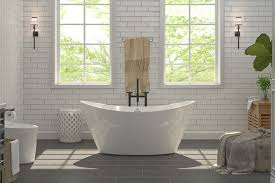
A freestanding porcelain bathtub is a standalone tub constructed using a refined ceramic body coated with a high-strength porcelain glaze. Unlike built-in tubs that are fixed against walls or enclosed in platforms, freestanding porcelain bathtubs are installed as independent centrepieces—making them ideal for luxury bathrooms, hotel suites, and design-led residential spaces.
Porcelain bathtubs begin with a carefully engineered clay mixture, usually combining:
This mixture is poured into moulds and fired at temperatures between 1200°C and 1400°C, transforming it into a dense, ceramic base. The bathtub is then coated with multiple layers of porcelain glaze, creating the iconic glass-like surface.
A freestanding porcelain bathtub is known for:
Freestanding porcelain bathtubs combine classic ceramic craftsmanship with modern manufacturing techniques, resulting in a bathtub that is both visually striking and built for decades of use.
The production of a freestanding porcelain bathtub is a highly controlled, multi-stage process combining traditional ceramic craftsmanship with modern kiln and glazing technology. Each step affects the tub’s strength, finish quality, and long-term durability—making manufacturing expertise critical for premium results.
The process begins with a master mould, engineered to ensure perfect contours, wall thickness, and structural symmetry. High-quality moulds are essential for dimensional accuracy, especially for freestanding tubs that require seamless curves and consistent load-bearing capacity.
A liquid clay mixture known as ceramic slip is poured into the mould. The slip gradually forms a shell as the mould absorbs moisture, creating the bathtub’s initial shape. After reaching the desired wall thickness, the excess slip is removed and the mould is left to set.
The formed tub is removed from the mould and placed in a controlled environment to air-dry slowly. This step is crucial because:
Any imperfections are corrected at this stage.
Once fully dried, the tub is coated with several layers of porcelain glaze. These glazes determine the final look and durability of the bathtub, contributing to:
Premium factories may apply specialised glazes for ultra-white finishes, matte options, or reinforced surface strength.
The bathtub is fired in an industrial kiln at extremely high temperatures, transforming the clay body into a vitrified ceramic structure. This creates:
The firing stage is one of the defining steps that differentiates porcelain from ordinary ceramic.
After firing, select freestanding porcelain tubs undergo additional treatments such as:
This enhances visual consistency and improves scratch resistance.
Every finished bathtub is inspected for:
Only tubs meeting strict standards proceed to packaging.
Porcelain bathtub manufacturing is a precision-driven process, and the quality varies significantly depending on the factory’s equipment, glazing expertise, and firing technology—making supplier selection critical for global buyers.
Freestanding porcelain bathtubs have seen a strong resurgence in premium residential and hospitality projects, driven by both design trends and performance advantages. In 2026, they stand out as one of the most desirable bathtub choices for architects, developers, and homeowners worldwide.
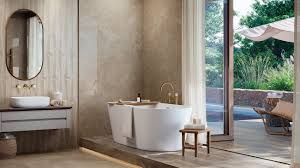
Porcelain’s high-gloss glaze creates a luxurious, mirror-smooth surface that enhances both modern minimalist bathrooms and classical, ornate interiors. Unlike acrylic or fiberglass, porcelain offers a deeper, richer shine that signals quality and craftsmanship. Designers often choose porcelain to:
Porcelain tubs are fired at extremely high temperatures, producing a dense, impact-resistant surface that outperforms many mass-market acrylic tubs. They are:
In long-term use, porcelain tubs typically maintain their appearance far better than acrylic alternatives, especially in high-traffic or hospitality environments.
One of the biggest reasons buyers prefer porcelain is comfort. Porcelain’s dense ceramic structure allows the tub to hold warmth much longer, creating a more relaxing soaking experience. Compared to acrylic tubs, which cool faster:
This makes porcelain especially popular for luxury hotels, villas, and premium residential builds.
A freestanding porcelain tub instantly elevates the status of a bathroom, increasing perceived value for:
Because porcelain tubs age gracefully and maintain a “new” appearance for decades, they are often chosen as a long-term investment piece in bathroom design.
Freestanding porcelain bathtubs are widely regarded as one of the most premium choices in modern bathroom design. Their material properties, luxurious finish, and long-term performance make them ideal for upscale residential developments, boutique hotels, luxury villas, and wellness spaces.
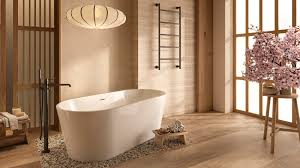
Porcelain delivers a high-gloss, mirror-smooth finish that instantly elevates the bathroom environment. The glaze creates a sense of elegance and craftsmanship that is difficult to replicate with acrylic or fiberglass.
For architects and designers, porcelain tubs serve as a statement centrepiece that anchors the entire space.
Porcelain is fired at extremely high temperatures, creating a dense, hard surface that performs exceptionally well over time. It withstands daily use far better than mass-market materials.
This longevity makes porcelain ideal for projects where durability is non-negotiable—such as hotels and fully booked Airbnb properties.
Thanks to its dense ceramic body, a porcelain tub holds water temperature significantly longer than lightweight materials like acrylic.
Properties aiming to create a wellness-oriented experience benefit greatly from porcelain’s superior heat performance.
Porcelain’s glaze creates a non-porous, hygienic surface that does not absorb water, dirt, or oils.
This makes porcelain especially suitable for commercial bathrooms, boutique hotels, and high-turnover rental units.
Porcelain tubs are easy to maintain and stay looking new for decades with minimal care.
Because porcelain ages gracefully, it is a preferred long-term investment for premium bathroom projects.
While freestanding porcelain bathtubs offer unmatched elegance and long-term durability, they also come with specific considerations that buyers, contractors, and designers should be aware of. Understanding these limitations helps ensure proper planning, installation, and budgeting—especially for large residential or hospitality projects.
Porcelain tubs have a dense ceramic body, making them significantly heavier than materials like acrylic, fiberglass, or even some solid-surface composites.
For multi-storey villas, apartments, or renovations, it’s important to evaluate the subfloor strength before installation.
Porcelain bathtubs come at a higher upfront cost compared to mass-market acrylic tubs due to:
However, porcelain often offers a superior lifetime value:
For high-end developments, hotels, and villas, the total ROI typically outweighs the initial cost difference.
While porcelain is highly durable, its glazed surface can chip if struck by a heavy metal object or if mishandled during installation.
How to prevent damage:
When repairs are possible vs. replacement:
Proper installation and handling minimise these risks and ensure the tub remains pristine for decades.
Freestanding porcelain bathtubs come in multiple shapes and configurations, each designed to match different bathroom aesthetics, space requirements, and project types. Below are the most common styles used in residential developments, luxury hotels, boutique resorts, and premium villa projects.
A timeless and universally appealing shape, oval porcelain tubs offer smooth curves and a balanced silhouette that suits both contemporary and traditional bathrooms.
They are widely chosen for:
Their ergonomic form provides comfortable soaking while maintaining an elegant visual presence.
These tubs feature one or two elevated ends designed to support the back and neck during long soaking sessions.
Benefits include:
They are popular in boutique hotels, wellness-focused properties, and high-end villa bathrooms.
A classic Victorian-inspired design featuring decorative metal feet in chrome, brushed gold, matte black, or brass finishes.
Perfect for:
The exposed foot detail adds visual interest and elevates the bathtub’s luxury appeal.
Designed for contemporary interiors, these tubs feature sharp lines, symmetrical angles, and a clean minimalist profile.
Best suited for:
They pair beautifully with minimalist fixtures and polished stone finishes.
Created for projects where space optimisation is essential, compact porcelain tubs maintain premium aesthetics despite their smaller footprint.
They are ideal for:
These models maximise comfort even in tight spaces.
When selecting a freestanding bathtub for residential developments, luxury hotels, or villa projects, understanding how porcelain compares to other popular materials is essential. Each material has unique strengths, price points, and design characteristics. Below is a clear comparison to help buyers, designers, and contractors choose the right option for their market and project needs.
Key differences:
Which is better for hotels vs residential?
Material Differences:
Ideal Use Cases:
Material Differences:
Verdict:
Porcelain delivers a similar premium aesthetic with far fewer installation challenges. Cast iron is best for heritage homes; porcelain is better for modern hotel and residential developments.
Conclusion:
Ceramic works well for cost-focused builds; porcelain is the premium upgrade for buyers who prioritise durability and aesthetics.
China has become the world’s most reliable source for freestanding porcelain bathtubs, supplying global hotel groups, real estate developers, wholesalers, and retail brands. The country’s mature ceramic industry, advanced glazing technology, and large-scale production capabilities make it the preferred destination for high-quality porcelain bathtub manufacturing.
China’s dominance in porcelain bathtub production is driven by several long-standing advantages:
Each production region brings a different level of expertise:
Together, these regions form China’s strongest supply chain for porcelain bathtub manufacturing.
To ensure consistent quality—especially for hotel, villa, and large development projects—buyers should verify the following:
Ensuring these factors reduces risk and improves long-term performance.
International buyers—especially in Europe, North America, and Australia—should confirm the manufacturer can provide:
Manufacturers with proper certification offer greater reliability for large-scale or premium market projects.
As a leading sanitary ware manufacturer based in Foshan, Sunvin provides a reliable, end-to-end solution for international buyers sourcing freestanding porcelain bathtubs. From product design to global delivery, our processes are built to support hotel groups, residential developers, wholesalers, and international distributors.
Sunvin offers a diverse range of freestanding porcelain bathtub designs suitable for different project types and market segments:
Our portfolio includes oval, slipper, clawfoot, rectangular, compact, and modern sculptural porcelain tubs, ensuring there is a solution for every specification.
For brands, distributors, and large project developers, Sunvin provides flexible customisation options:
We work closely with clients from concept to mould creation, sampling, and mass production.
Every bathtub undergoes a multi-stage inspection process:
Only products that pass all inspection points proceed to final packaging.
Sunvin’s packaging system is engineered for long-distance transportation:
This ensures safe delivery to distribution centres, hotel construction sites, and retail warehouses worldwide.
Sunvin supports a wide range of global partners:
With a strong export and documentation team, Sunvin ensures smooth shipments, clear communication, and reliable lead times for global projects.
Freestanding porcelain bathtubs continue to be one of the most premium and desirable choices in 2026. Their high-gloss aesthetic, excellent heat retention, and long-lasting durability make them a standout option for luxury bathroom environments. Unlike lower-end materials, porcelain offers a timeless look and superior performance that enhances both residential and commercial spaces.
Porcelain bathtubs are ideal for:
Their visual impact and lifetime value make them especially suitable for design-driven developments.
Sunvin provides a complete porcelain bathtub sourcing solution backed by:
With Sunvin, international buyers gain reliability, flexibility, and consistent quality—critical factors for large-scale projects and long-term supply partnerships.
