The High-Stakes Reality of Project-Based Vanity Procurement
When you are managing a multi-unit residential development, a boutique hotel renovation, or a large-scale commercial fit-out, the bathroom vanity is not just a fixture; it is a critical logistical node. Unlike retail procurement, where you might order five units with weeks to spare, project-based procurement demands precision in volume, consistency in finish, and reliability in delivery timelines. A single delay in custom cabinet supply can cascade into delays for tiling, plumbing, and final handover, costing thousands in labor and penalties.
For developers, contractors,and brand owners sourcing from overseas, the challenge lies in balancing customization with industrial scalability. You need cabinets that fit specific architectural dimensions and design aesthetics, yet you require them in quantities of hundreds or thousands, with zero variation in color or dimension. This article explores how to navigate this complex landscape, focusing on the intersection of custom engineering and mass production efficiency.
Core Challenges in Sourcing Custom Cabinets for Projects
Sourcing custom cabinets for projects involves three primary friction points: design validation, material consistency, and supply chain transparency.
First, design validation is often underestimated. Architects provide 2D drawings, but fabrication requires 3D precision. If the tolerance between the cabinet carcass, the countertop cutout, and the plumbing rough-in is off by even a few millimeters, installation fails. You need a supplier who doesn’t just take orders but actively reviews technical drawings for constructability before production begins.
Second, material consistency across large batches is non-negotiable. In a 50-unit apartment block, the walnut veneer on Unit 1 must match Unit 50 perfectly. Natural wood grains vary, and laminate batches can shift if not strictly controlled. This requires raw material batching protocols and rigorous quality control (QC) checks at the factory floor level, not just at the final inspection stage.

Third, supply chain transparency dictates trust. Project managers need to know exactly when a container will leave the port and when it will arrive. They cannot rely on vague "soon" updates. They need digitized production tracking, real-time loading photos, and professional export documentation to ensure smooth customs clearance.
Selection Criteria: Evaluating Supplier Capabilities
To mitigate risks, you must evaluate potential suppliers against specific technical and operational criteria. Not all manufacturers are equipped for large-scale project work.
1. Production Capacity & Automation: Does the factory have the throughput to handle your volume without compromising speed? Look for facilities with automated production lines. For instance, a high-capacity factory can produce up to 14,000 square meters of ceramic or related components daily, ensuring that large orders are not bottlenecked. Automated systems also reduce human error in cutting and finishing, crucial for uniformity in bulk orders.
2. Engineering & Design Support: A capable supplier provides more than just manufacturing; they provide engineering support. Do they offer exclusive design drawings based on your requirements? Do they provide standardized installation guides? The ability to adapt to different space sizes, styles, and functional needs through flexible customization is a key differentiator.
3. Quality Control Infrastructure: Standard visual inspection is insufficient for projects. You need a full-dimensional inspection system. This includes wax removal checks, anti-pollution assessments, pinhole and scratch inspections, gloss measurement, flatness measurement, and precise size verification. Suppliers should use professional testing instruments like dimensional measurement tools and hardness testers to ensure every unit meets industry standards before packing.
4. Logistics & Loading Expertise: The journey from factory to site is as important as the manufacturing process. Efficient loading processes—such as verifying container numbers, checking container integrity, binding and fastening goods, using airbags for protection, and properly blocking and sealing containers—are essential to prevent damage during transit. A dedicated shipping team with expertise in global logistics ensures timely delivery and handles all export procedures seamlessly.
Comparative Analysis: Retail vs. Project Procurement Models
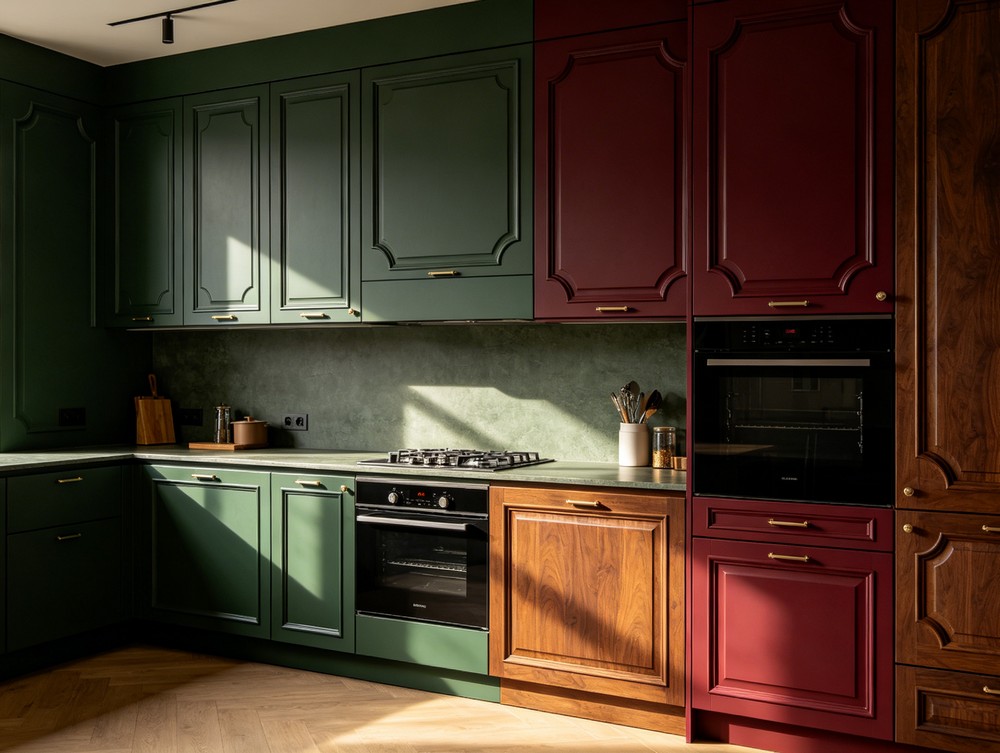
Understanding the difference between standard retail sourcing and project-based sourcing is vital for setting expectations and budgets.
This comparison highlights why project buyers must prioritize suppliers with robust infrastructure over those offering superficial variety. The cost of a delayed or defective batch in a project scenario far outweighs the slight price premium for higher-quality manufacturing and logistics.
Streamlining the Workflow: From Inquiry to Installation
A successful project collaboration follows a structured workflow. It begins with the submission of detailed architectural drawings. The supplier’s professional team then conducts a feasibility review, identifying potential conflicts in dimensions or materials. Once approved, 3D design drawings are generated for client confirmation.
Production commences only after final sign-off. During this phase, transparent management allows clients to monitor progress. Quality control teams conduct full-process inspections, from raw material intake to finished product testing. Finally, the logistics team manages the complex process of container loading, ensuring that goods are secured with airbags and properly sealed. This end-to-end control minimizes the risk of damage and ensures that every cabinet arrives ready for installation.
Conclusion
Sourcing custom cabinets for large-scale projects requires a partner who understands the nuances of volume manufacturing, technical precision, and global logistics. By focusing on suppliers with automated production capabilities, rigorous QC systems, and experienced engineering teams, developers and contractors can ensure their projects stay on schedule and within budget. The key is to look beyond the product itself and evaluate the entire ecosystem of support, from design validation to final delivery.
Why Choose Us
High-Capacity Automated Production: Our 5,000+ square meter factory utilizes fully automated intelligent systems, ensuring consistent quality and high output rates suitable for large-volume project orders.
Professional Engineering & Design Support: We provide exclusive design drawings and standardized installation guides, helping you solve complex fitting issues before production begins.
Rigorous Full-Process QC: Our team employs professional testing instruments for dimensional, durability, and surface quality checks, guaranteeing that every unit meets international standards.
Global Logistics Expertise: With over 17 years of international exhibition experience and a dedicated shipping team, we ensure secure loading, efficient documentation, and timely worldwide delivery.
Contact us today for a free quote and let our professional team assist you in bringing your next project to life with precision and reliability.
