Why Custom Cabinet Import Matters for Your Business
If you are running a bathroom fixture business, importing custom cabinets is one of the most effective ways to expand your product range and improve margins. But the process is not as simple as placing an order and waiting for delivery. There are real risks — delayed shipments, quality inconsistencies, communication gaps, and hidden costs — that can hurt your business if you do not plan carefully.
This guide walks you through the five essential steps to navigate custom cabinet import successfully. Whether you are a wholesaler, retailer,contractor, or brand owner, these steps will help you make smarter sourcing decisions and build a reliable supply chain.
Step 1: Define Your Product Requirements Clearly
Before you reach out to any supplier, you need to know exactly what you are looking for. Custom cabinets come in many configurations — material, size, finish, hardware, and functionality. Vague specifications lead to misunderstandings, rework, and delays.
Start by answering these questions:
What materials do you need? Common options include MDF, plywood, solid wood, and acrylic. Each has different cost, durability, and moisture resistance profiles.
What are the exact dimensions? Provide length, width, depth, and any custom cutouts for sinks or faucets.
What finish and color do you prefer? Request physical samples before committing to bulk orders.
What hardware and accessories are included? Soft-close hinges, drawer slides, and integrated lighting can make or break the final product.
What is your target price per unit? Knowing your budget helps suppliers propose realistic solutions.
Document all requirements in a clear specification sheet. Share it with every supplier you contact. This ensures consistent quotes and reduces back-and-forth communication.
Step 2: Evaluate Supplier Capabilities and Track Record
Not all suppliers can deliver what you need. Some specialize in standard sizes only. Others lack the quality control systems to handle custom orders consistently. You need a partner who combines manufacturing expertise with import experience.
Look for these key indicators:
Factory size and production capacity: A supplier with a large facility and automated production lines can handle volume orders without sacrificing quality.
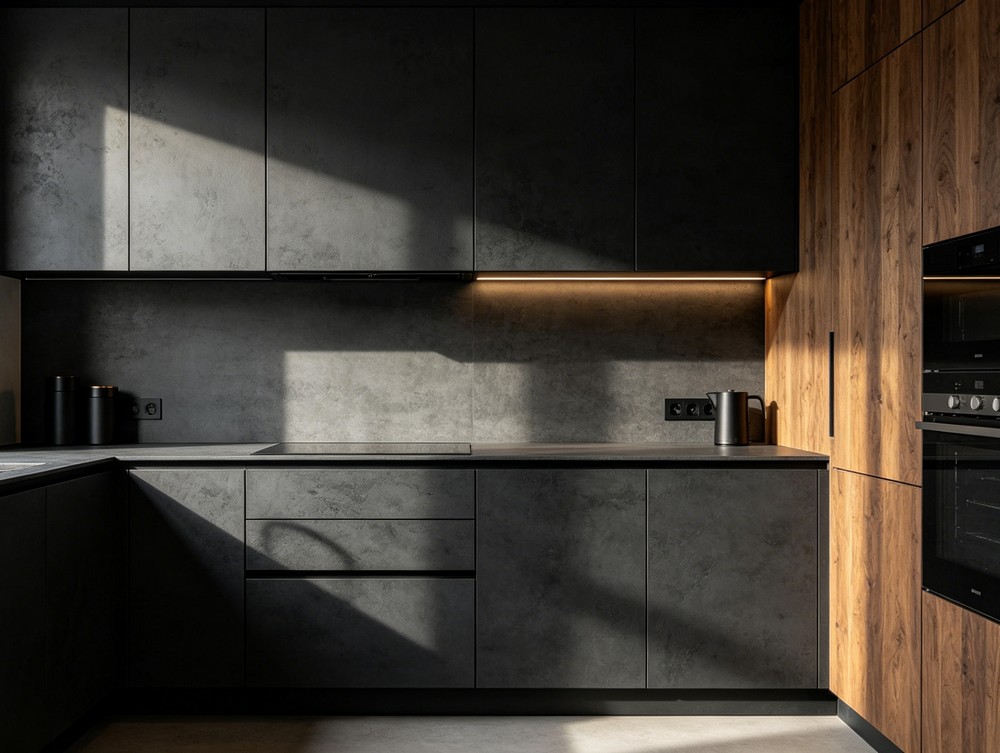
Customization experience: Ask for past project examples. Check whether they have worked with international buyers before.
Quality certifications: Certifications like SGS, WaterMark, and CQC indicate that the supplier meets recognized industry standards.
Export documentation capability: Reliable suppliers handle all export paperwork, including commercial invoices, packing lists, and certificates of origin.
Request a factory audit report or video tour if possible. Seeing the production environment firsthand gives you confidence in the supplier's operations.
Step 3: Compare Quotes and Total Landed Costs
The lowest quote is not always the best deal. When importing custom cabinets, you need to calculate the total landed cost — the final price including product cost, shipping, insurance, customs duties, and any additional fees.
Build a comparison table like this:
In this example, Supplier B has the lowest unit price but requires a higher MOQ and longer lead time. Supplier A offers faster delivery and broader certifications, which may matter more for your market. Use total landed cost as your primary comparison metric, not just the unit price.
Step 4: Request Samples and Verify Quality
Never place a bulk order without reviewing a physical sample. Samples let you assess build quality, finish consistency, hardware functionality, and packaging integrity. They also reveal whether the supplier can translate your specifications into a real product.
When evaluating samples, check these points:
Surface finish: Look for scratches, uneven gloss, or color variations.
Joint quality: Edges and seams should be smooth and properly sealed.
Hardware performance: Open and close drawers and doors multiple times. Test soft-close mechanisms.
Dimensional accuracy: Measure the sample against your specification sheet.
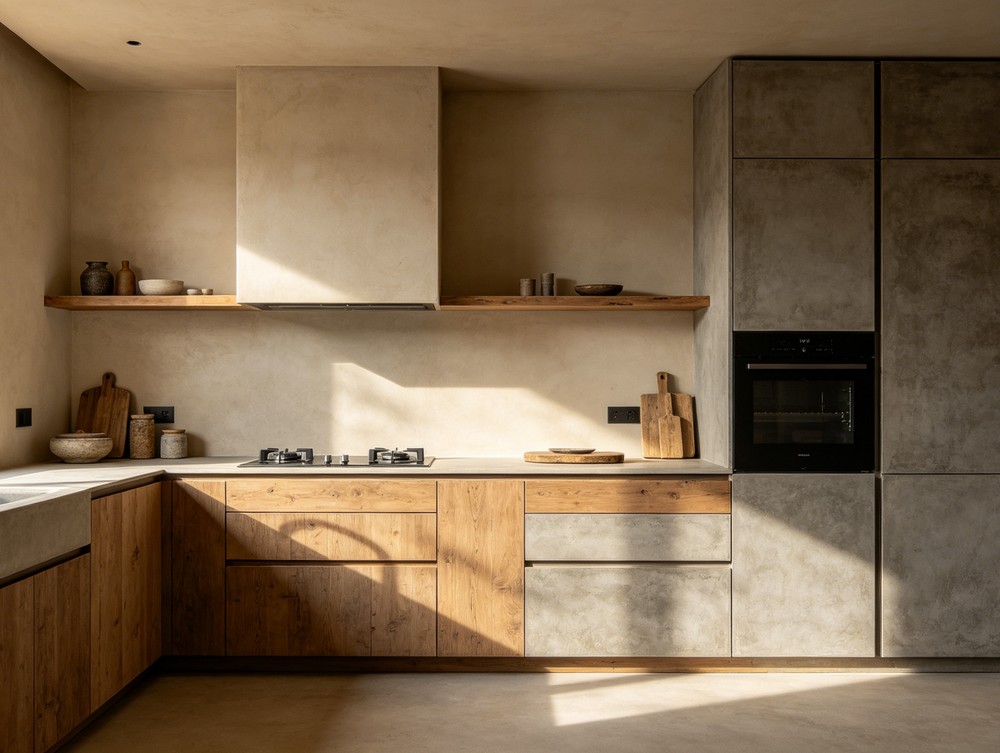
Packaging: Ensure the supplier uses adequate protection to prevent damage during transit.
If the sample does not meet your standards, address the issues before proceeding. A good supplier will welcome feedback and make adjustments.
Step 5: Establish Clear Communication and After-Sales Support
Importing custom cabinets is a partnership, not a one-time transaction. Clear communication throughout the process prevents costly mistakes. Confirm the following before signing the contract:
Production timeline and milestones
Quality inspection checkpoints
Shipping method and tracking
Warranty terms and defect resolution process
After-sales contact person and response time
Choose a supplier who assigns a dedicated account manager. This person becomes your single point of contact and ensures consistent communication across all stages of the order.
What to Expect from a Professional Custom Cabinet Import Process
A smooth import process follows a predictable sequence:
1. Specification agreement and quotation
2. Sample production and approval
3. Contract signing and deposit payment
4. Production with progress updates
5. Pre-shipment quality inspection
6. Loading and export documentation
7. Shipping and customs clearance
8. Delivery and after-sales support
Each step requires attention to detail. Delays in one stage can cascade into later problems. A supplier with structured workflows and transparent communication minimizes these risks significantly.
Key Takeaways for Custom Cabinet Import
Importing custom cabinets can be a profitable strategy if you approach it systematically. Define your requirements precisely, evaluate suppliers based on capability and track record, compare total landed costs, verify quality through samples, and maintain clear communication throughout the process. These five steps reduce risk and help you build a supply chain you can rely on.
The right supplier does more than manufacture products. They provide market insights, quality assurance, and logistical support that make international sourcing straightforward and efficient.
Why Choose Us
Sunvin Ceramics understands the challenges of custom cabinet import. With over 10 years of industry experience and participation in more than 50 international exhibitions, we have built a supply chain that meets the demands of global buyers.
Custom Manufacturing Expertise: We offer flexible customization for material, size, finish, and hardware, with professional designers providing exclusive drawings tailored to your specifications.
Quality Assurance at Every Stage: Our full-dimensional inspection system covers wax removal, pinhole and scratch detection, dimensional accuracy, and gloss measurement, ensuring every cabinet meets your standards.
Reliable Production Capacity: Our 5,000-square-meter factory with automated production lines delivers up to 14,000 square meters per day, handling large-volume orders with consistent quality and on-time delivery.
Global Export Experience: We hold CQC, SGS, WaterMark, and SASO certifications, and our logistics team manages all export documentation and shipping procedures for seamless international delivery.
Contact us today for a free quote and let us help you streamline your custom cabinet import process.
