Introduction: Navigating Inventory for Custom Bathroom Projects
For wholesale distributors, project contractors, and large-scale retailers in the international bathroom fixtures market, managing inventory for custom bathroom vanities presents a unique set of challenges. The demand for personalized solutions clashes with the economic and logistical pressures of maintaining stock. The keyword "custom cabinet stock" represents a critical operational strategy: the pre-production or strategic holding of semi-finished or modular components for custom vanities to enable faster lead times without fully sacrificing customization. This approach directly addresses the pain points of long wait times for fully bespoke orders and the inventory risk of holding finished, style-specific goods. This article provides a practical, value-driven guide on how to effectively implement and benefit from a custom cabinet stock program, turning a potential bottleneck into a competitive advantage.
Core Content: Building a Profitable Custom Stock Program
Implementing a successful custom cabinet stock strategy is not about stocking random finished vanities; it's about intelligent forecasting and modular design. The core is to identify the most universally demanded elements across your custom projects and pre-produce them to a "ready-to-finish" state.
1. Identifying the High-Volume Common Denominators
The first step is data analysis. Review past custom orders to identify trends. Which cabinet sizes (e.g., 24", 36", 48", 60" widths) are most frequently requested? What are the most popular door styles (Shaker, Slab, Louvered)? Which finish colors (white, grey, walnut stains) consistently dominate projects? For stone tops, which edge profiles (eased, beveled, ogee) are standard? By answering these questions, you can build a stock of cabinet boxes, door fronts, drawer fronts, and semi-finished stone slabs in these high-probability configurations. This stock acts as a buffer, drastically reducing the production time for a new "custom" order that uses these standard components.

2. The Modular Design & Assembly Advantage
Partner with a manufacturer whose design philosophy supports modularity. A true custom stock program relies on cabinets built with a system that allows for easy integration of different doors, hardware, and finishes on a standardized carcass. For instance, a stock of unfinished but assembled cabinet boxes in standard sizes can be quickly fitted with pre-primed or pre-finished doors from your stocked selection, and then have the final color stain or paint applied per the specific order. This modular approach offers tremendous flexibility. It allows you to promise a 3-4 week delivery for a "custom" vanity that might otherwise take 8-12 weeks if started from scratch.
3. Balancing Customization with Speed: The Hybrid Model
The most effective strategy is a hybrid model. You offer tiers of service:
Tier 1 (Fully Bespoke): For unique sizes, exotic materials, or intricate designs. Longest lead time, highest cost.
Tier 2 (Semi-Custom from Stock): Client selects from your pre-defined list of stocked sizes, door styles, and finishes. Medium lead time, competitive cost.
Tier 3 (Quick-Ship Standard): Limited selection of fully assembled and finished vanities from dead stock for immediate shipment.
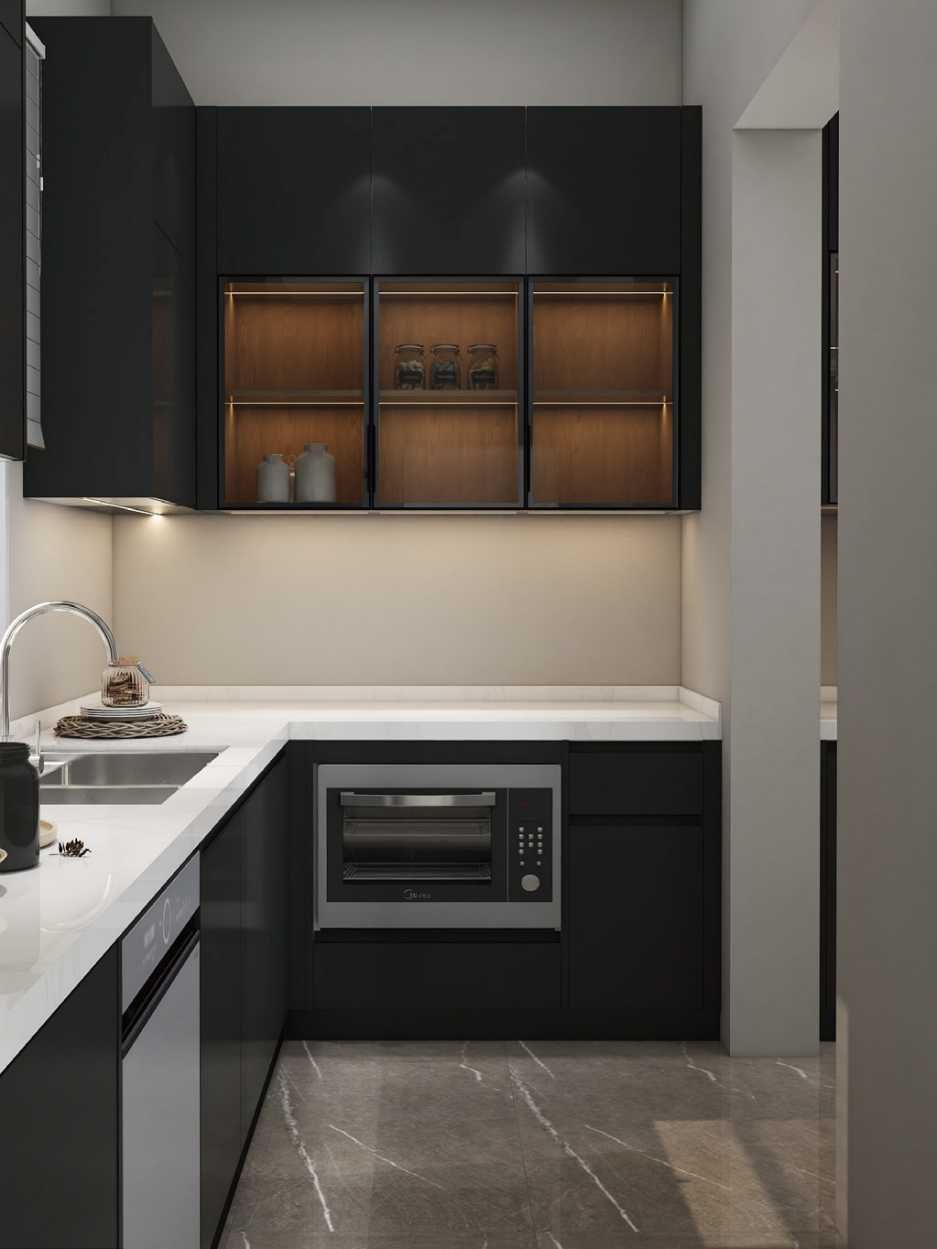
This tiered approach manages client expectations and allows you to steer volume towards the more profitable and predictable semi-custom-from-stock tier.
Comparison Module: Custom Cabinet Procurement Pathways
The table below contrasts three common procurement strategies, highlighting how a strategic stock program creates an optimal balance for volume business.
Conclusion: Stock as a Strategic Tool, Not a Burden
A well-executed custom cabinet stock program transforms inventory from a passive cost center into an active tool for sales growth and customer satisfaction. It allows businesses to compete on both customization and speed—a powerful combination in the B2B bathroom industry. The key is partnering with a manufacturer capable of producing high-quality, consistent modules at scale and who understands the logistics of supporting such a program, from timely replenishment of stock components to flexible final assembly and finishing services.
Why Choose Sunvin Ceramics for Your Custom Cabinet Stock Program
Building a reliable custom stock supply chain requires a manufacturer with robust capabilities and a partnership mindset. Sunvin Ceramics is engineered to be your ideal partner in this strategic endeavor.
Scalable Production for Consistent Stock Components: Our 5,000+ sqm automated factory, with a daily capacity of up to 14,000 sqm per line, is built for volume. We can reliably produce large batches of standardized cabinet boxes, door fronts,and other modules to your exact specifications, ensuring consistent quality and steady replenishment for your stock program.
Quality-Controlled Modular Design Foundation: Our professional QC team enforces strict dimensional accuracy and material integrity across all components. This ensures that every stocked cabinet box, door, and panel from Sunvin will fit perfectly every time, eliminating assembly issues and upholding your brand's reputation for quality in your semi-custom offerings.
Flexible Customization on a Stable Platform: We excel at providing multiple customized solutions. While you stock our high-quality core modules, we retain the flexibility to supply unique finishes, hardware, or specialty components on demand. This gives you the agility to fulfill truly bespoke requests while your core business runs efficiently on the stock program.
Logistical Expertise for Seamless Stock Replenishment: Our dedicated shipping and logistics team specializes in international B2B transport. We can establish efficient, scheduled shipments for your stock component replenishment, ensuring your warehouse levels are maintained and your lead time promises to your clients are kept.
Contact us today to discuss designing a custom cabinet stock program tailored to your sales forecast and market demands.
