Introduction: The Reality of Sourcing Cabinets Globally
If you are running a bathroom vanity distribution business, a contracting company, or a retail chain across multiple regions, you already know that sourcing cabinets from overseas is not as simple as sending an email and waiting for a quote. The global supply chain is crowded with suppliers who claim they can handle any order size, deliver on time, and meet every certification requirement. But the reality is far more complicated.
A delayed shipment can cost you project deadlines. A batch of cabinets with inconsistent finishes can damage your reputation with end customers. A supplier who disappears after receiving payment is every importer's nightmare. This is why choosing the right global cabinet supplier requires more than just comparing prices. It demands a structured evaluation process that covers production capacity, quality control, certification compliance, and after-sales support.
This guide walks you through the exact criteria you should use when evaluating potential suppliers, with a comparison table that breaks down the key differences between supplier types, so you can make a decision based on facts rather than promises.
Core Evaluation Criteria for Selecting a Global Cabinet Supplier
1. Production Capacity and Lead Time Reliability
The first thing you need to verify is whether a supplier can actually deliver the volume you need, when you need it. Many suppliers list impressive capacity figures on their websites, but those numbers often reflect ideal conditions rather than real-world performance.
Ask for their daily and monthly output figures. A credible supplier should be able to provide specific data, not vague statements like "we can handle large orders." Look for suppliers with automated production lines, as these typically offer more consistent output and shorter lead times compared to manually operated facilities.
Also, confirm their standard lead time for both sample production and bulk orders. A supplier claiming three-week delivery for a 5,000-square-meter order is likely overpromising. Realistic lead times for custom bathroom cabinets from a well-equipped factory range between 25 to 40 days, depending on order complexity and customization level.

2. Quality Control Systems and Testing Protocols
Quality inconsistency is one of the most common problems importers face when working with new suppliers. Cabinets that look perfect in sample form may arrive with surface defects, dimensional variations, or material failures after installation.
A reliable global cabinet supplier should have a documented quality control process that covers every stage from raw material inspection to final loading. This includes checks for water absorption rates, surface hardness, dimensional accuracy, gloss uniformity, and structural integrity. Ask the supplier to share their inspection checklist and testing equipment list.
Suppliers who invest in professional testing instruments such as calipers, hardness testers,water absorption testers, and flatness measurement tools demonstrate a commitment to quality that goes beyond verbal assurance. They should also perform pre-shipment inspections and provide inspection reports before loading containers.
3. Certification Compliance for Target Markets
Different regions have different import standards for bathroom cabinets and ceramic products. If you are selling in Europe, your supplier needs products certified to relevant EU standards. For North America, certifications like WaterMark or CSA may be required. The Middle East and certain Asian markets often require SASO or other regional compliance marks.
A supplier that holds multiple international certifications can serve a broader range of clients and reduce your compliance risk. However, do not just accept certification claims at face value. Request copies of valid certificates and verify their expiration dates. Some suppliers use outdated or forged certificates that will not pass customs inspection.
4. Customization Capability and Design Support
Most importers do not buy off-the-shelf products. They need cabinets that match specific design requirements, space constraints, or brand aesthetics. A supplier with strong customization capability can produce cabinets in various materials, finishes, dimensions, and hardware configurations.
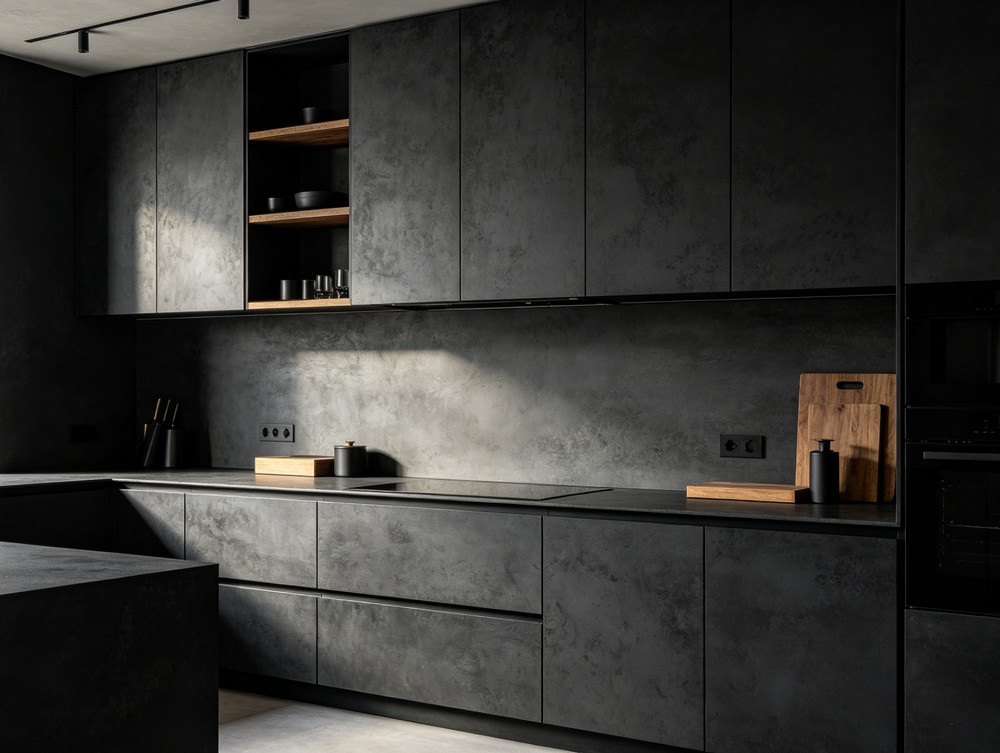
Ask about their customization process. Can they provide design drawings based on your specifications? Do they offer material and finish samples before bulk production? A supplier that provides detailed technical drawings and installation guides shows professionalism and reduces the risk of miscommunication during production.
5. Logistics and Shipping Expertise
International shipping involves multiple variables that can affect your costs and delivery timeline. A supplier with experienced logistics and documentation teams will handle export procedures efficiently, ensure proper container loading, and provide accurate shipping documentation.
Inquire about their loading process. Proper container loading includes verifying container condition, securing cargo with appropriate materials, using airbags to prevent shifting, and sealing the container correctly. Suppliers who skip these steps increase the risk of cargo damage during transit.
Comparison: Types of Global Cabinet Suppliers and Their Characteristics
Key Takeaways from the Comparison
Large-scale factory suppliers offer the most reliable combination of capacity, quality control, and certification compliance. They are ideal for importers who need consistent supply, large order volumes, and products that meet strict regional standards. Trading companies can be useful for buyers who need product variety from multiple sources, but they add a margin layer and reduce direct control over production quality. Small workshop suppliers may offer lower prices, but the risks around quality inconsistency, certification validity, and delivery reliability are significantly higher.
Practical Steps to Verify a Supplier Before Signing a Contract
Start by requesting a detailed company profile that includes factory photos, production line information, and certification copies. Verify the information through independent channels when possible. Ask for references from existing international clients, particularly those in your region.
Before placing a bulk order, request production samples and evaluate them against your quality standards. Check dimensions, surface finish, material quality, and hardware functionality. A supplier who refuses to provide samples or pressures you to skip this step is a red flag.
Include clear terms in your purchase contract covering quality specifications, delivery timelines, packaging requirements, and dispute resolution procedures. Vague contracts create ambiguity that suppliers can exploit when problems arise.
Content Summary
Choosing a reliable global cabinet supplier requires a systematic approach that goes beyond price comparison. You need to evaluate production capacity, quality control systems, certification compliance, customization capability, and logistics expertise. The comparison table above shows that large-scale factory suppliers generally offer the best balance of reliability and value for importers who prioritize consistency and compliance. By following the verification steps outlined in this guide, you can reduce sourcing risk and build a supplier relationship that supports your business growth.
Why Choose Us
Sunvin Ceramics operates a 5,000-square-meter factory equipped with fully automated production lines that deliver up to 14,000 square meters of output per day, ensuring we meet large-volume orders without compromising lead time reliability. Our professional quality control team uses precision testing instruments including dimensional measurement tools, durability testers, water absorption testers, and hardness testers to verify every product against international standards before shipment. We hold CQC, SGS, WaterMark, and SASO certifications, covering the import requirements for markets across Europe, North America, the Middle East, and Asia-Pacific. Our dedicated sales and logistics teams provide one-on-one support throughout the sourcing process, from design drawing creation and material sampling to container loading supervision and export documentation handling.
Contact us today for a free quote and let us show you how our factory-direct sourcing model can streamline your bathroom cabinet procurement process.
Request a sample now to evaluate our product quality firsthand.
